Tagged: David de Ugarte
Phyles and the new communalism
 David de Ugarte & Carla Boserman

- Translated by Steve Herrick, edited by Jane Loes Lipton – Guerrilla Translation!
- Images by Carla Boserman. Lead image remixed from this original
- Originally published on Las Indias
An illustrated history of the biggest changes in our time: the globalization of the small and the reemergence of empowered communities.
At the beginning of the nineteenth century, most people were only identified by the real communities they were part of. An average European saw scarcely a hundred different faces in their whole life. The small, local, real community, with its barely-monetized agrarian economy, gave each person an identity that allowed him/her to understand who was who in the social system, and what role each one was playing in the production of everyone’s well-being. This is still the dominant identity in a good part of the rural world in developing countries.
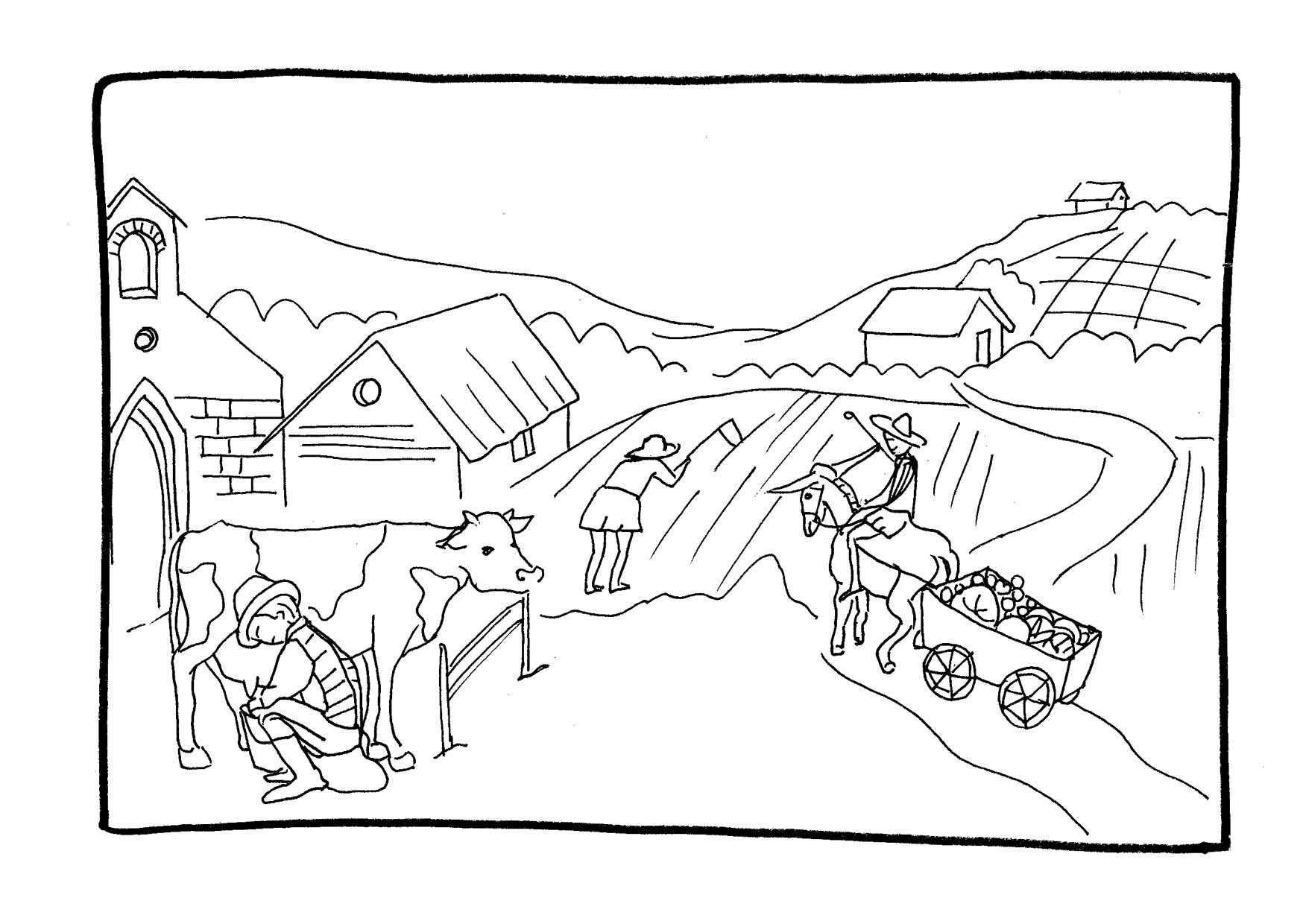
But when the mercantile economy and the market, in larger settings, brought together production and consumption, a good part of the things that you consumed no longer came from your immediate surroundings; the result of your labor could travel hundreds, even thousands of kilometers, and tens of thousands of people already lived in cities. The old (real) identities no longer explained what we were for others, and what our work meant for them.
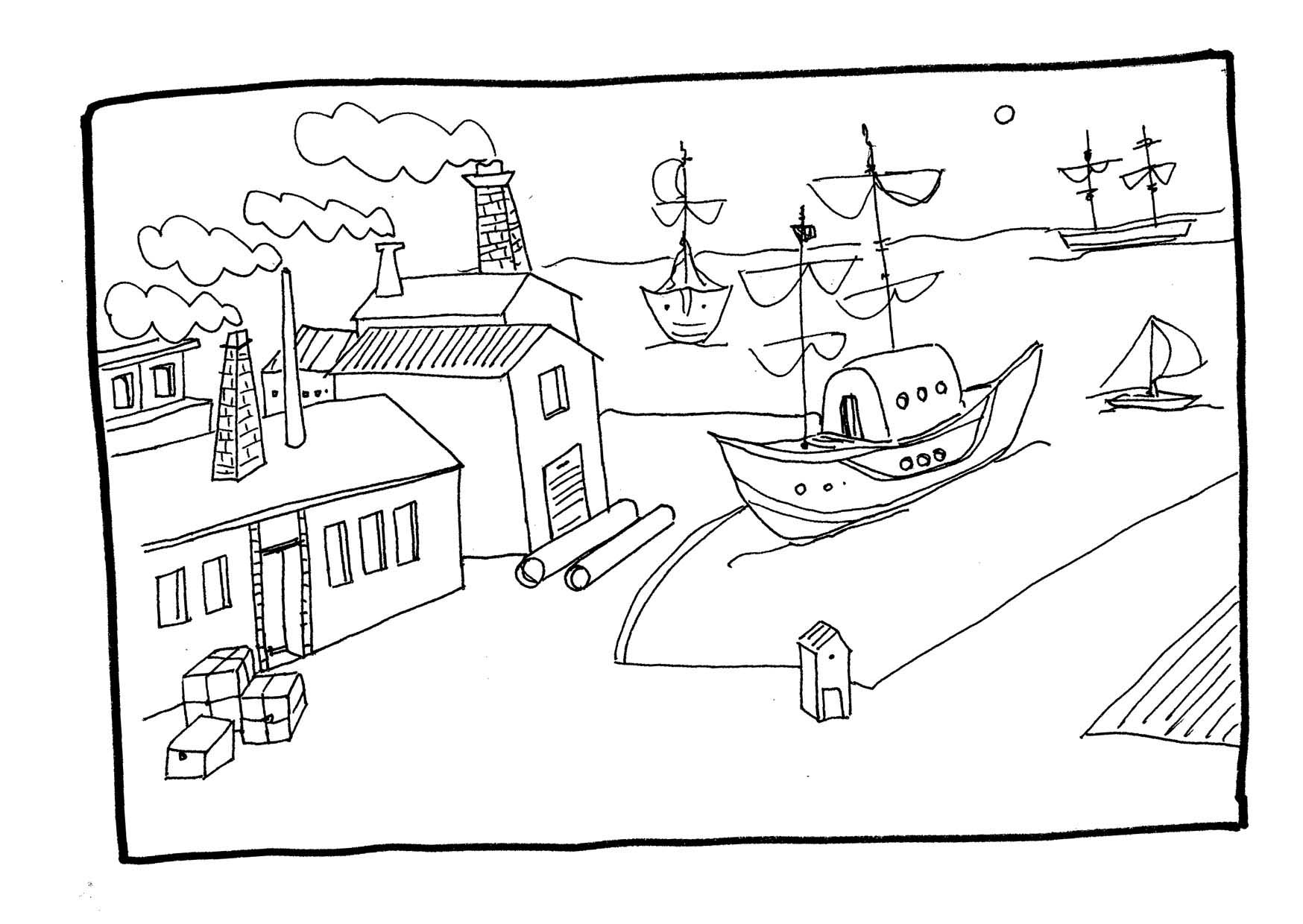
Towards the end of the seventeenth century, there appeared the seeds of what, two centuries later, would become the great imaginary identity of the industrial world: the nation. The nation had the new dimension of the state and the market, and allowed each one to imagine him/herself as part of the joint effort that kept afloat the economy in which they and their own real community lived. The world of nations was the world of the Industrial Revolution, but also that of the ascent of the large representative democracies and of nation-states. The world understood itself as a puzzle, as the sum of pieces, which were territories, states, and markets.
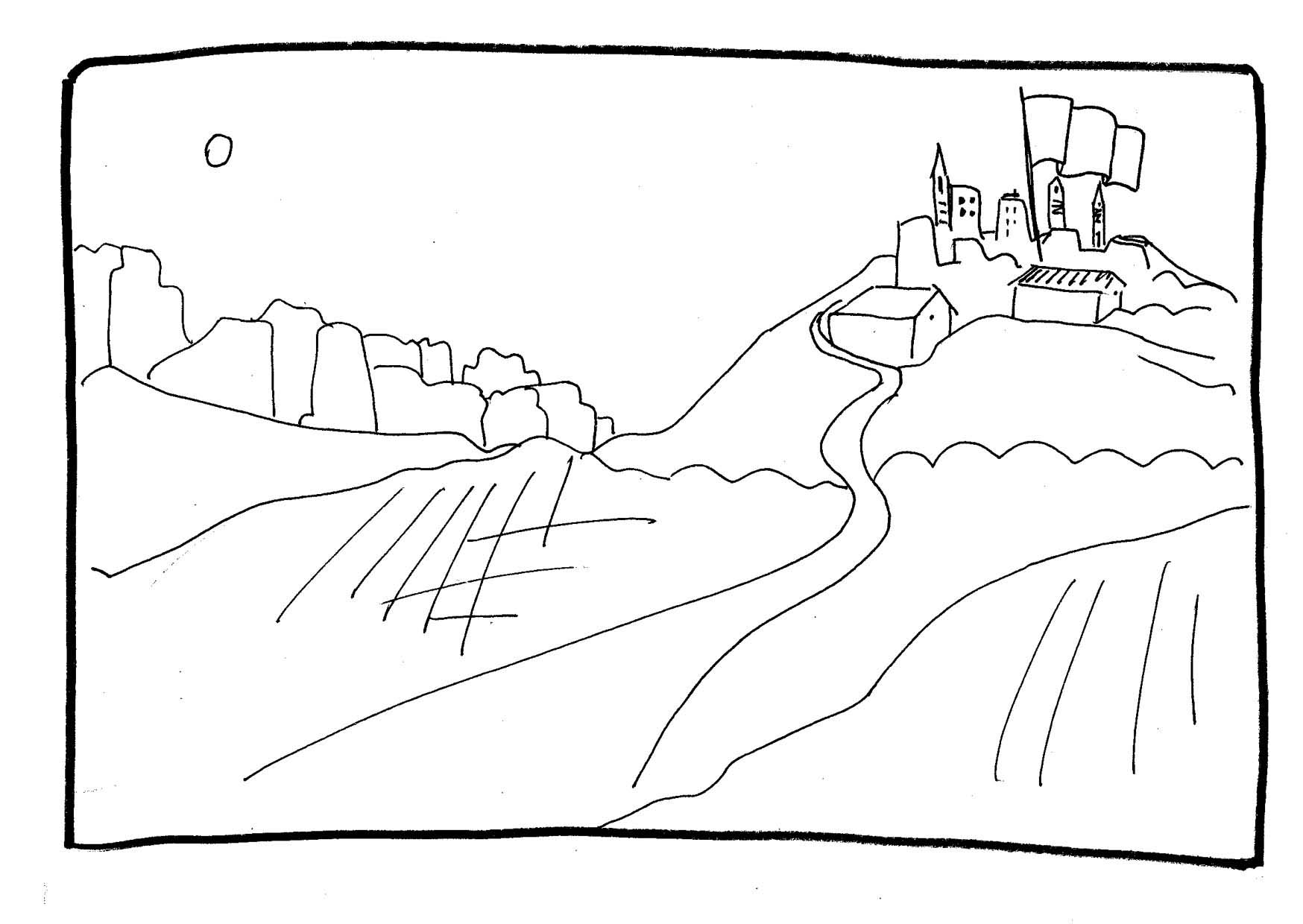
But at the end of the Eighties, the breakdown of the Eastern bloc and the collapse of the USSR changed the map of the world. The Western governments realized that, in reality, their businesses had symptoms that were alarmingly similar to those that led to the Soviet collapse. Part of the answer to the over-scale of their big businesses consisted of enlarging markets by reducing barriers to commerce. In 1993, the European Community became the European Union with the signature of the Maastricht Treaty, which consecrated market unity; in 1994, the free-trade agreement between the US, Mexico, and Canada was signed; and in 1995, the World Trade Organization was finally founded, after nearly 42 years of waiting and fruitless negotiations.
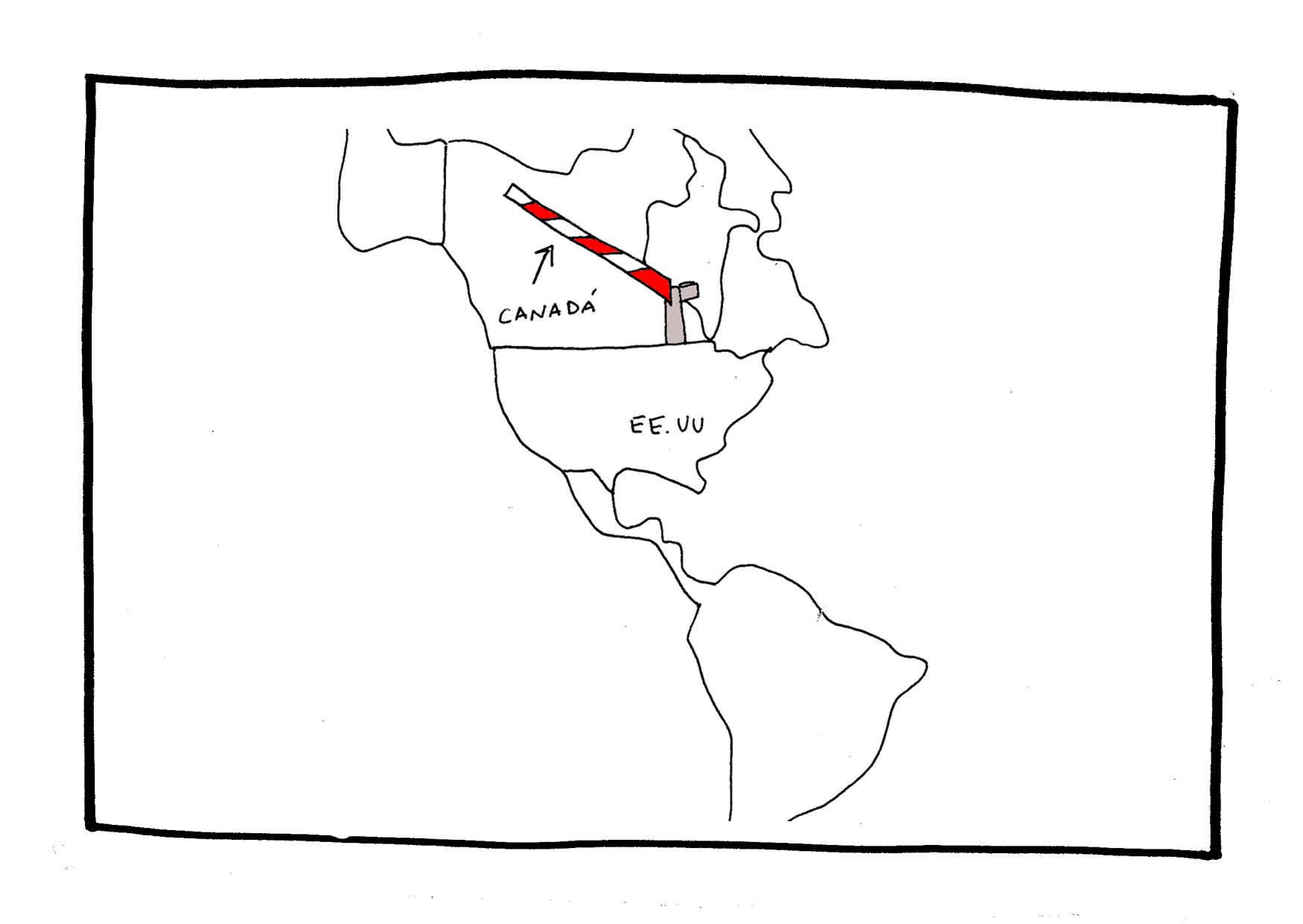
The greater freedom to purchase and sell anywhere the world, on principle, led big businesses to look for better and cheaper providers in developing nations.
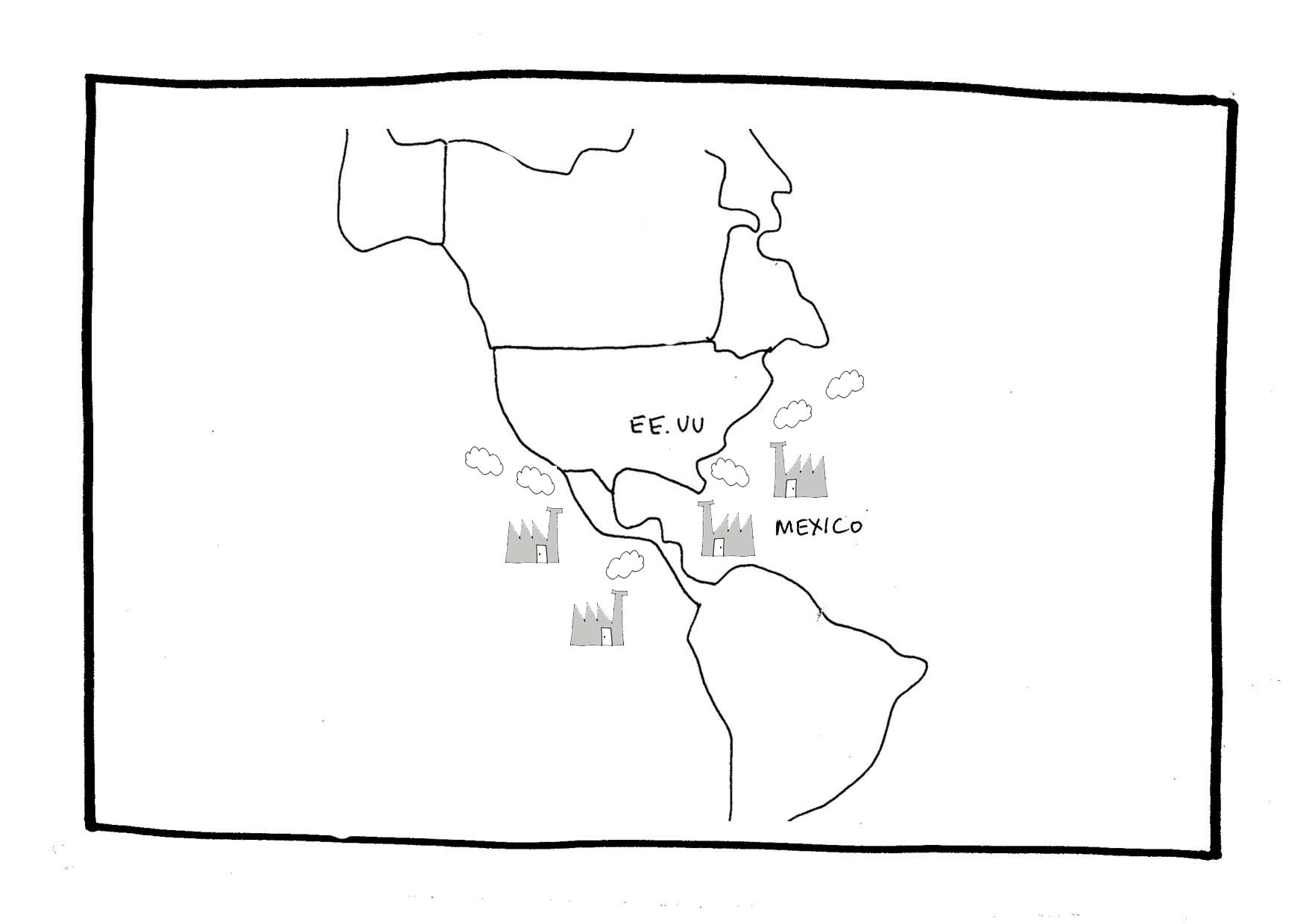
Up until then, the key to Big Business had been integration — doing all the processes themselves — but little by little, value chains were broken: multinationals began to focus on design, technology and marketing, outsourcing production to smaller businesses scattered all over the world. The phenomenon is known as “breaking value chains.”
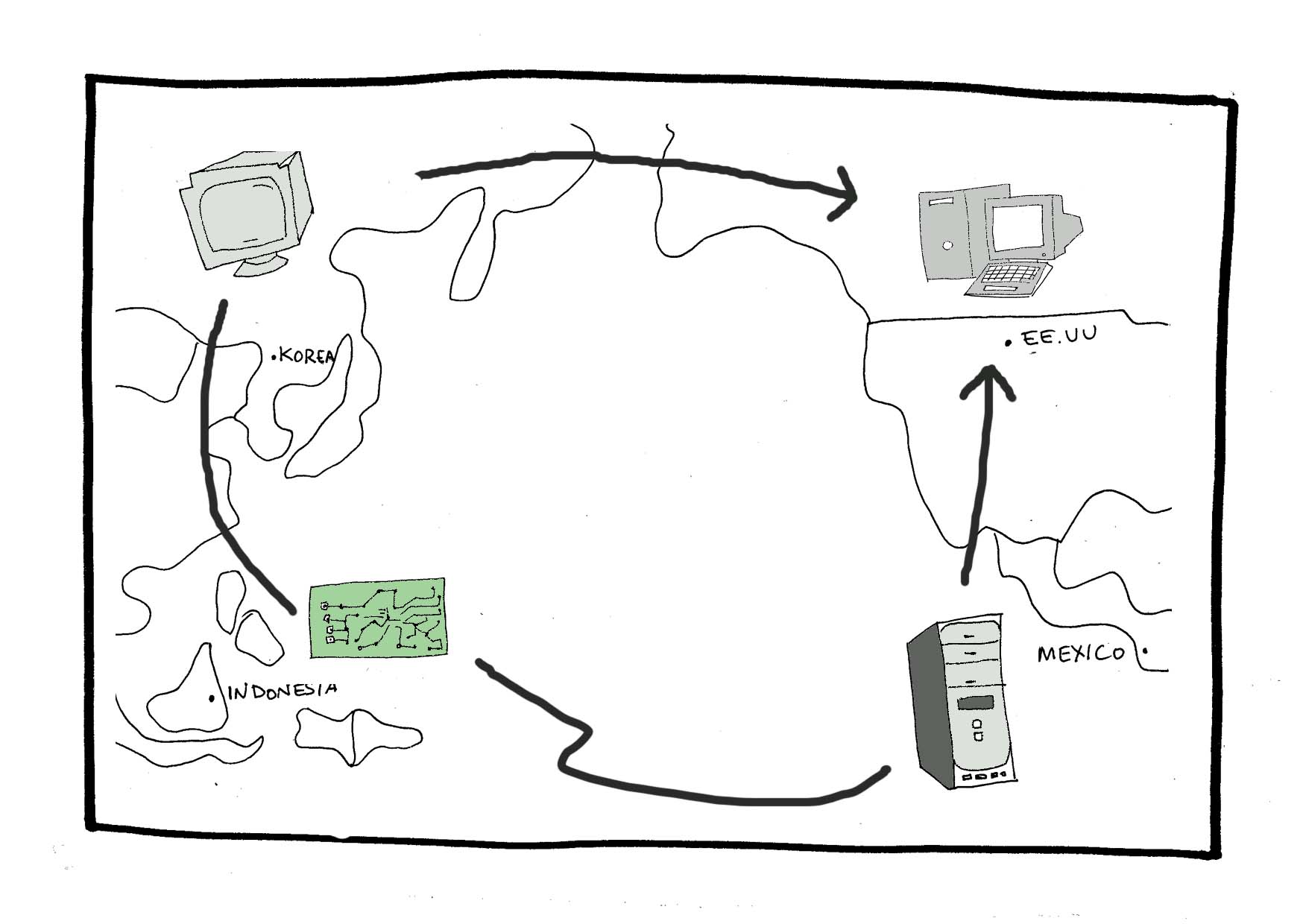
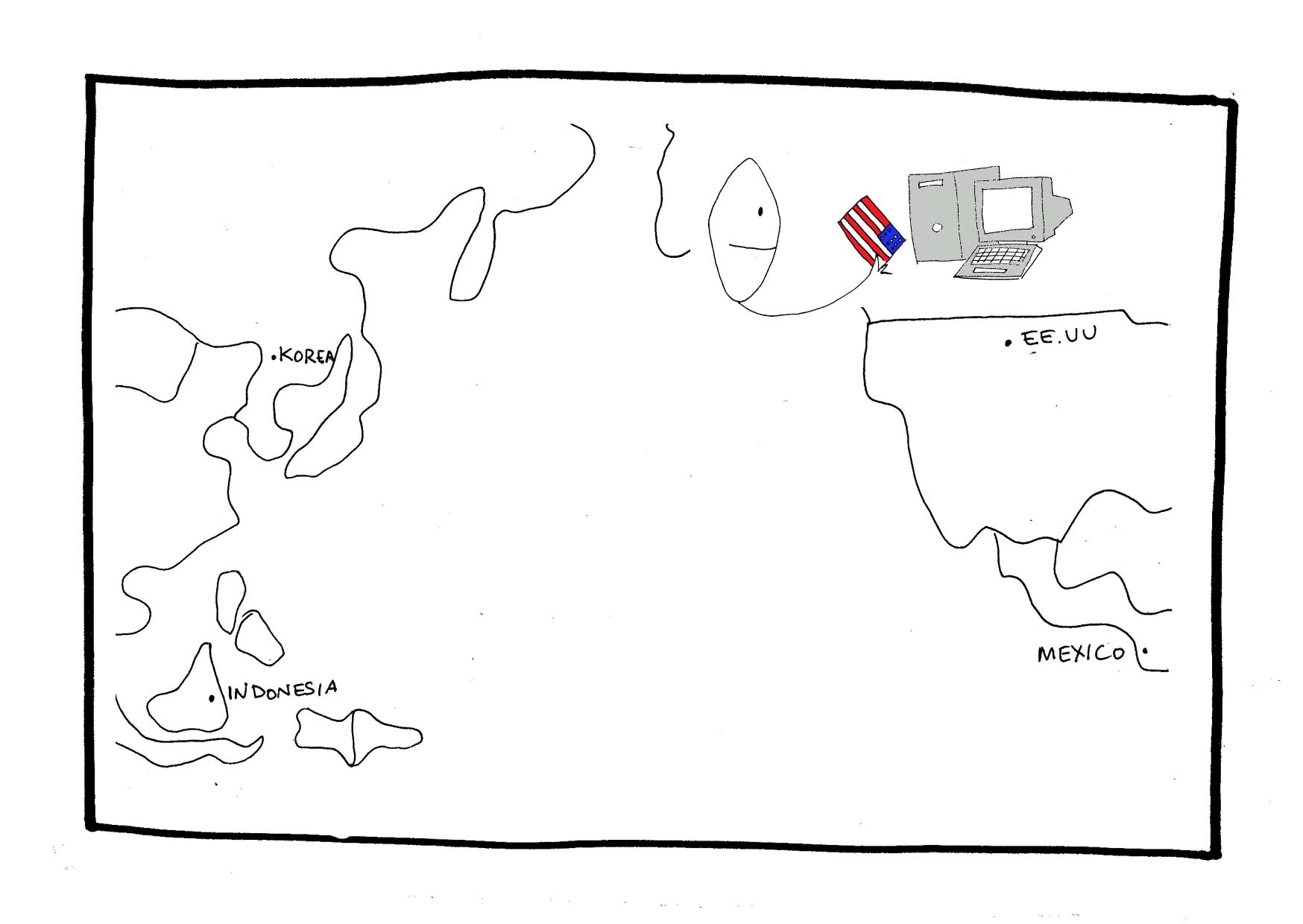
But in the ’90s, Internet use started to spread massively. The global network of information and communication started to look more and more like a distributed network.
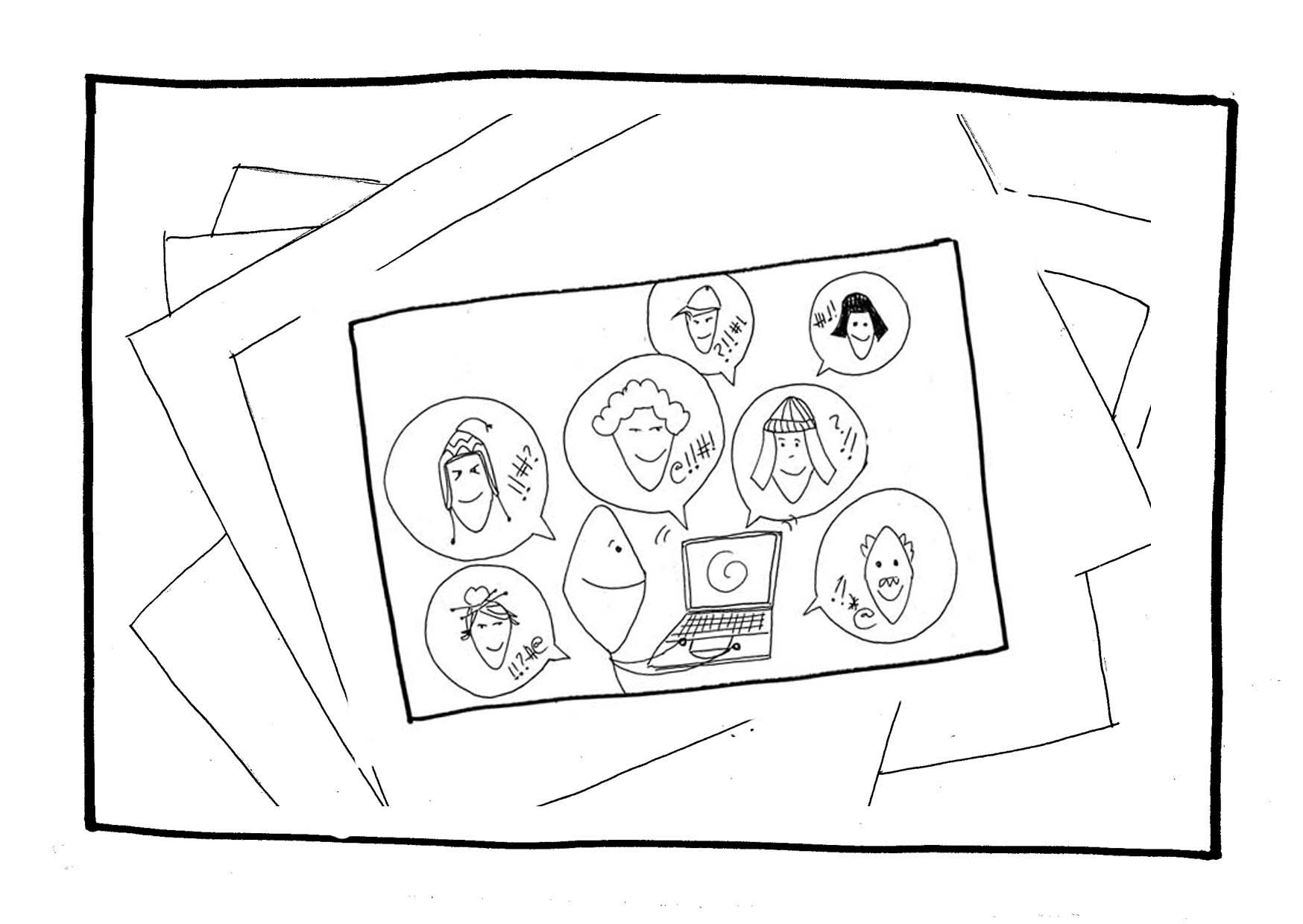
The appearance of low-cost airline companies, and the drop in travel costs in general, accentuated this tendency even more.
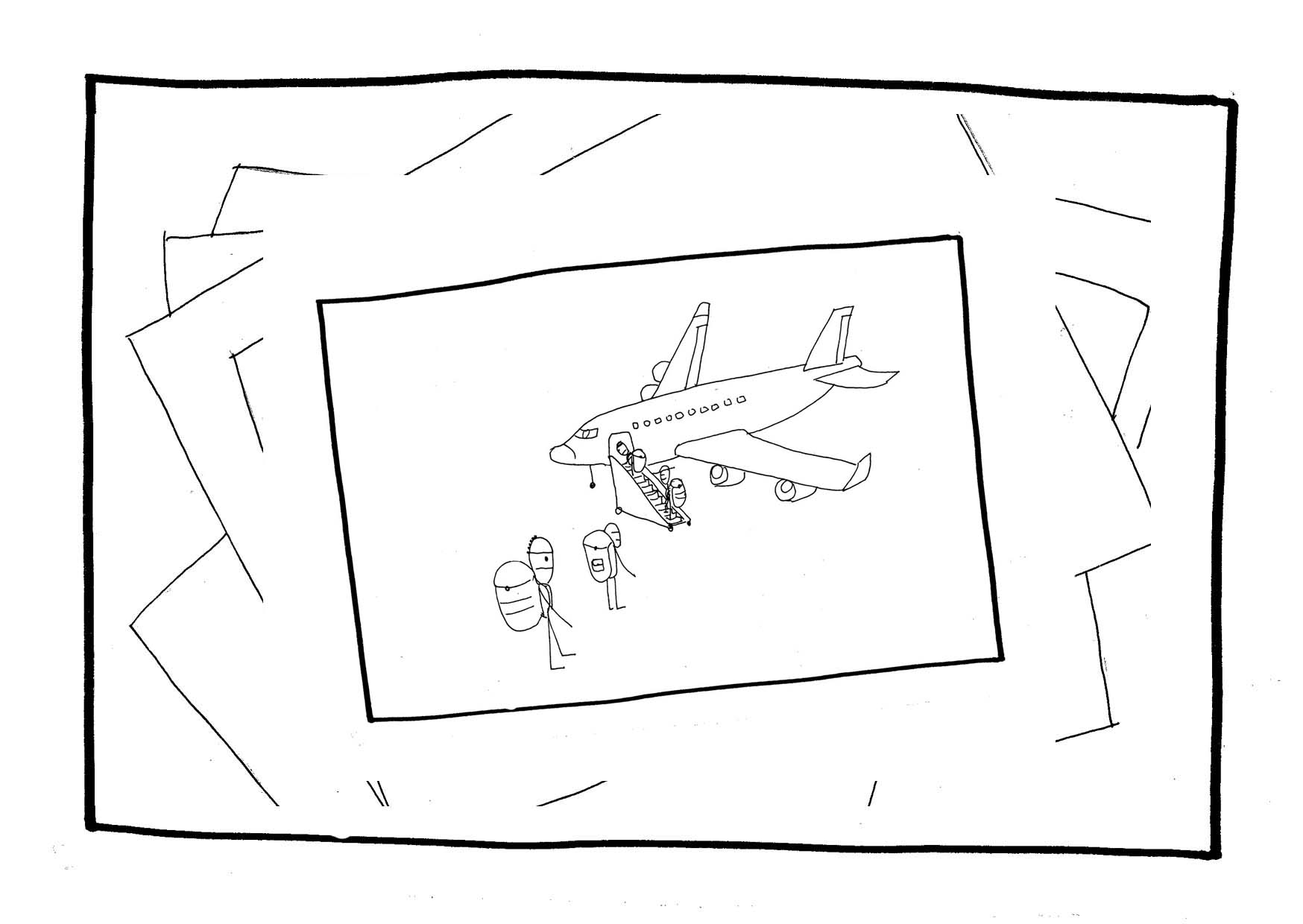
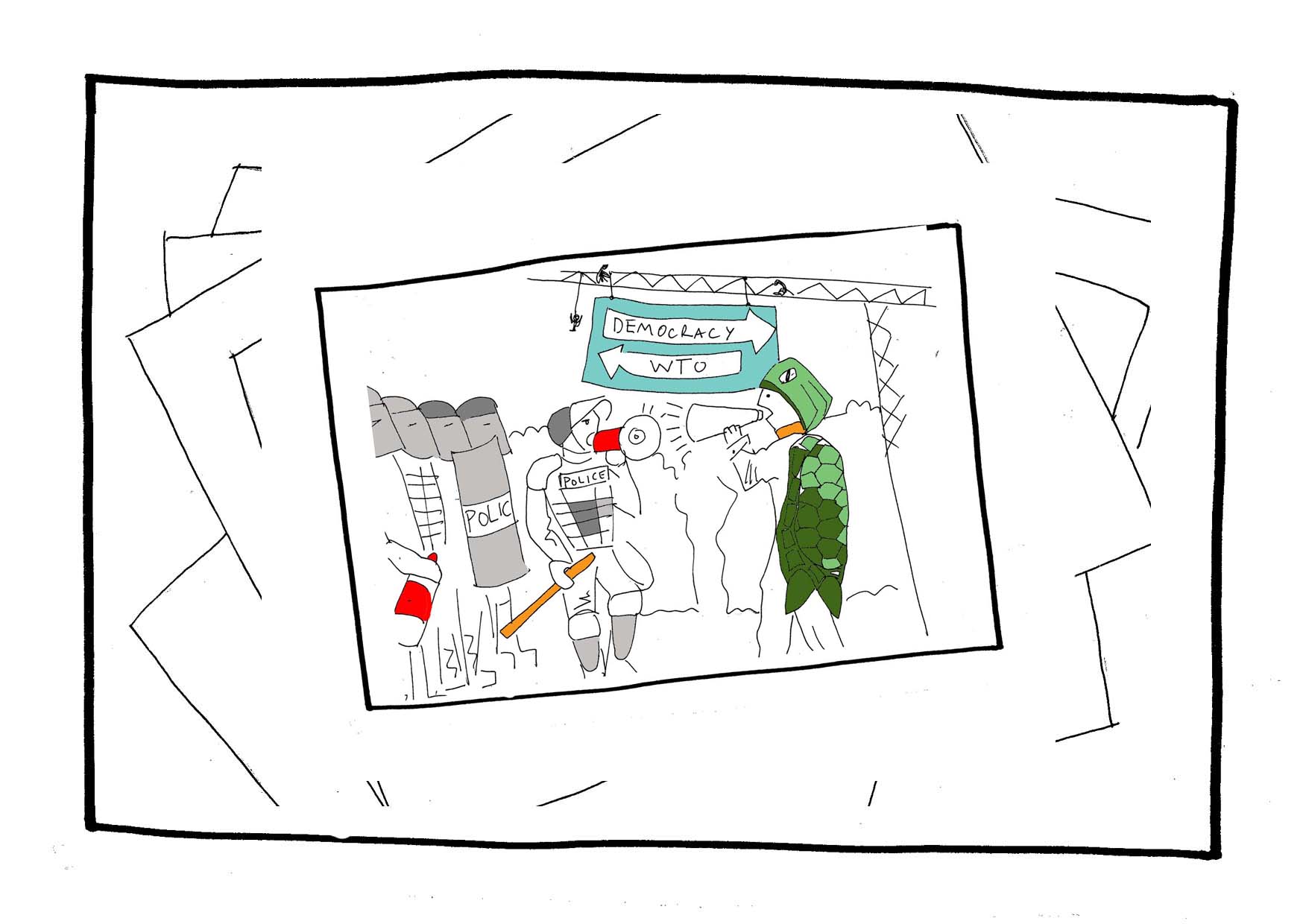
In just a few years, the social impact was tremendous. In 1999, the anti-globalization movement appeared, bringing together and coordinating activists via the the Internet. This led to thousands of protesters from the five continents uniting in Seattle.
That same year, Ali Baba.com was born, a portal of small industries that soon passed 20 million businesses, which would become the best-known face of Chinese internationalization, letting the world know about thousands of new, low-cost products, from electronic book to the vuvuzela.
The unity of globalization and networks allowed the “small” (including both countries previously considered “underdeveloped,” as well as SMEs, or small-to-medium enterprises) to begin to play on a new global board, and in many cases, to displace what had been an overwhelming hegemony of multinationals and rich countries in the market. We went from globalization to “globalization of the small.”
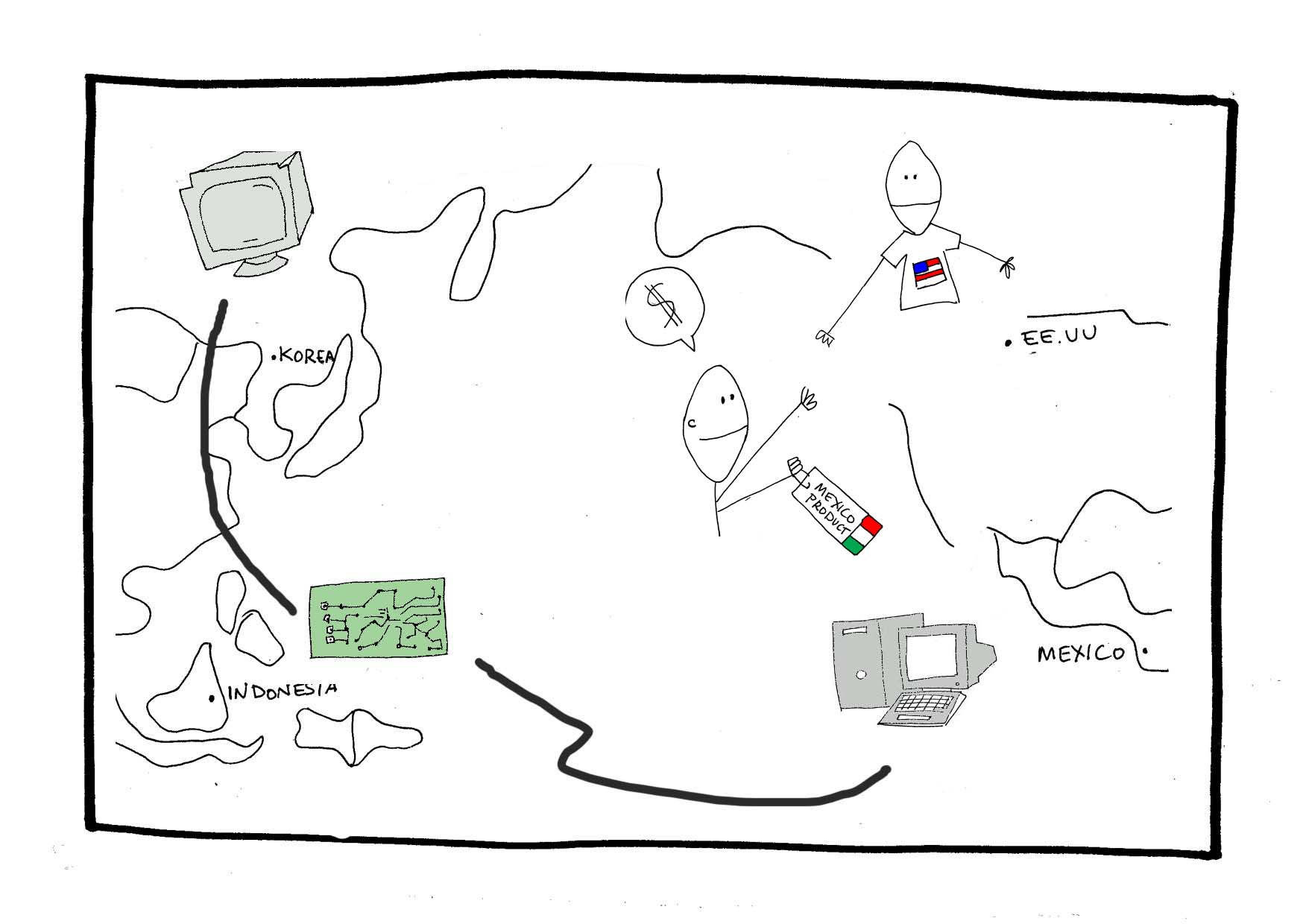
But “globalization of the small” is not a phenomenon that is exclusive to the new emerging powers. In general, what is appearing are models of the direct economy. In reality, it’s just the effect on the market of the move to a world of distributed networks, where everyone can connect and trade with everyone else, wherever they are, without intermediaries.
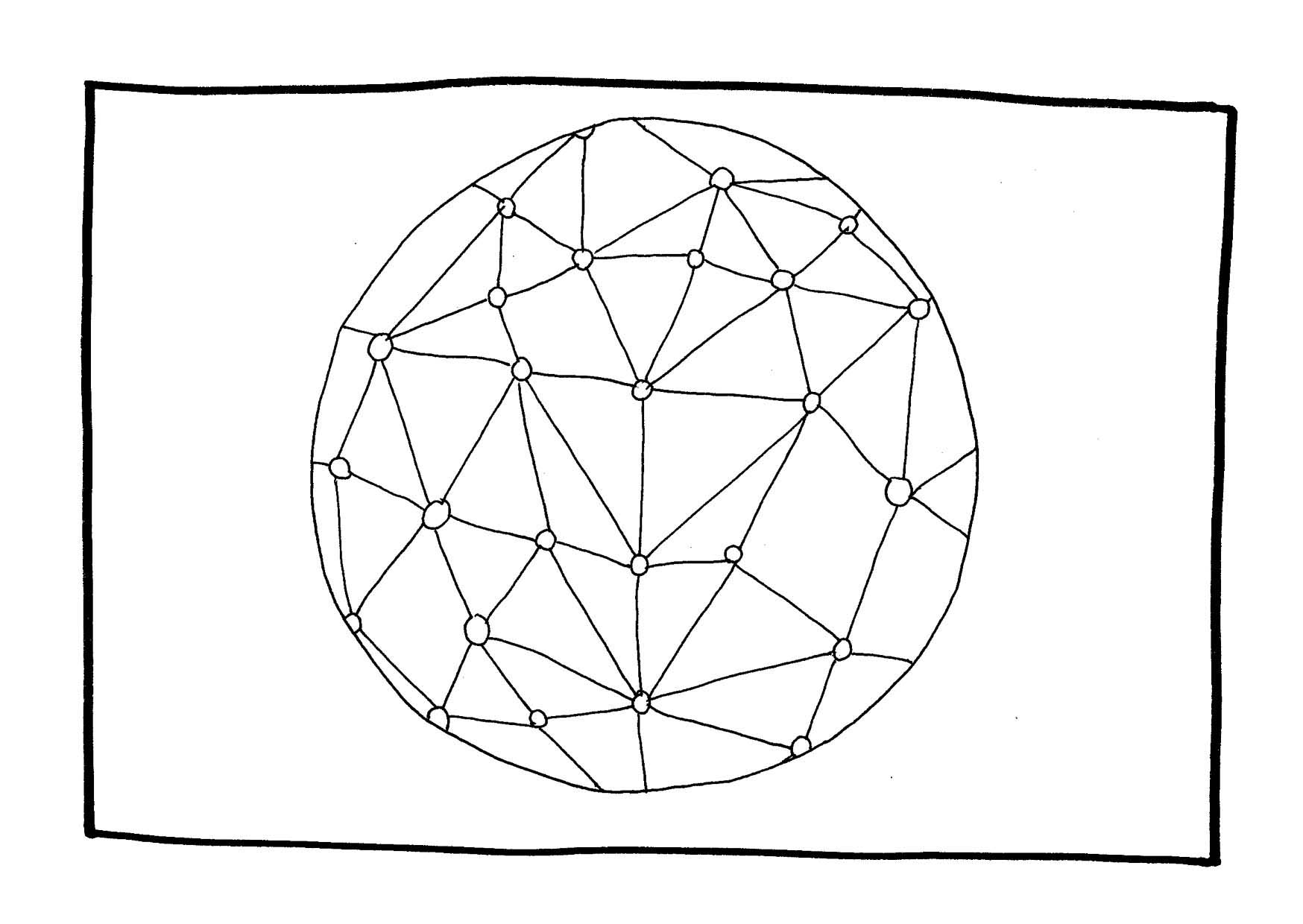
But, what happens to identity in a world like this? How will it evolve? In the direct economy model, the market is global, and each everyday product brings together work done on different continents. This is how national identity begins suffering from the same problem that created it. It no longer provides a satisfactory explanation of what our work has to do with the welfare of our real community, a real community that also includes those transnational virtual communities we are part of and which we care about more and more. In that sense, the nation has become too small to fit us.
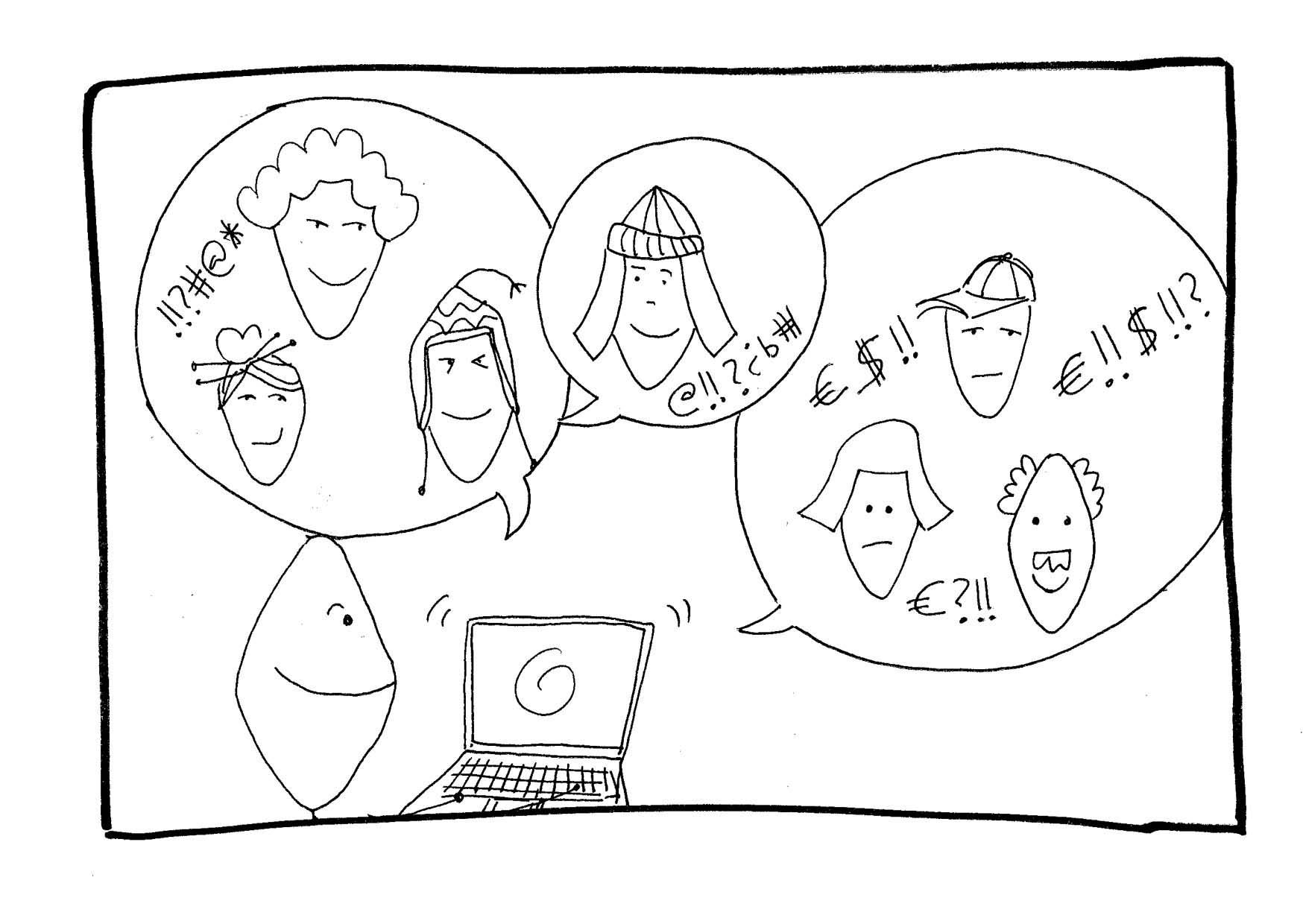
But, on the other hand, it’s also too big for us. In the end, what matters to us is the real community formed by our families, our surroundings and the people that we share conversation and learning with on the Internet. Real people that the Internet, on the one hand, and the crisis of imagined identities on the other, have put at the center of the way we understand the world.
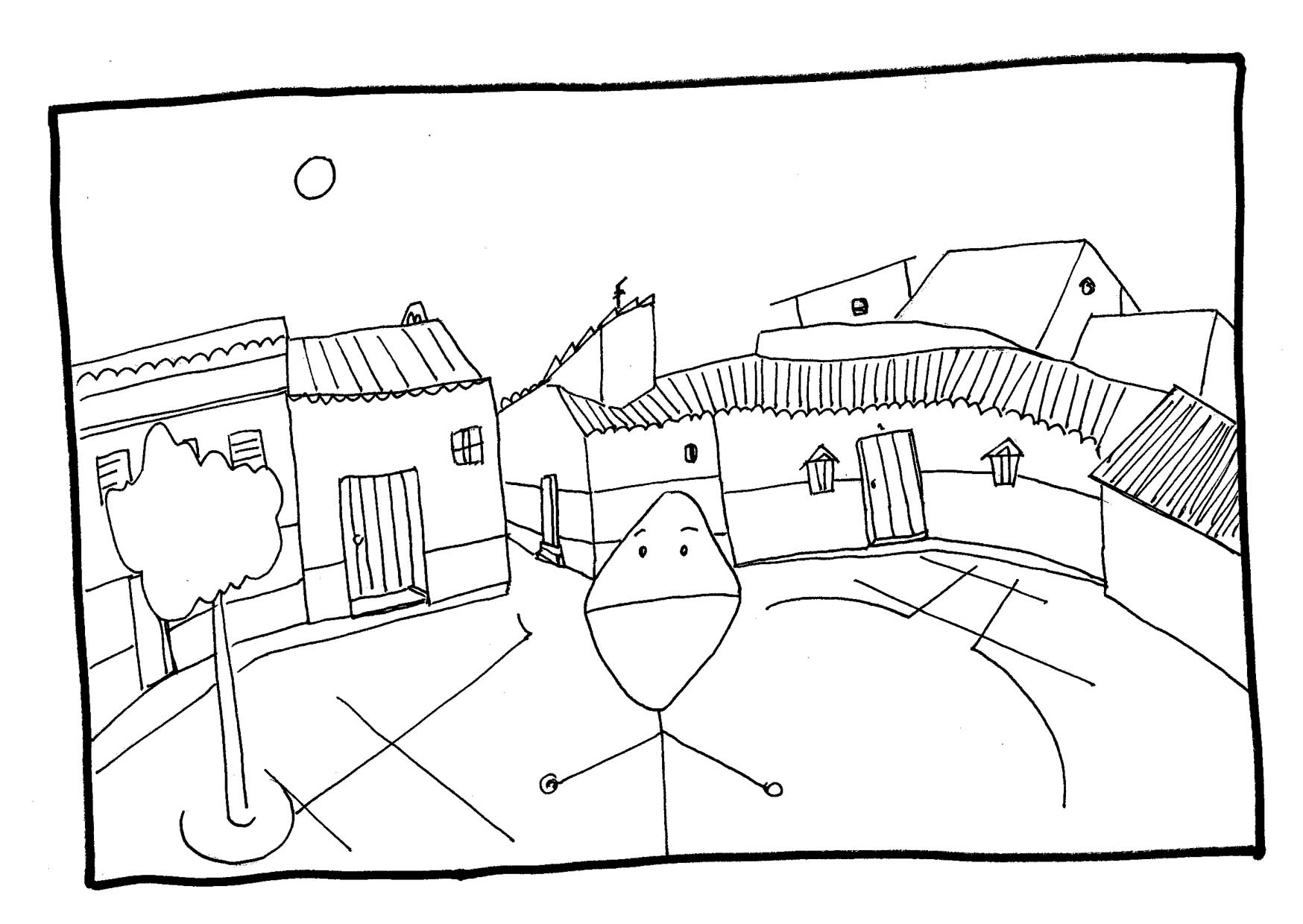
But, what’s the alternative? Everyone knows and is part of conversational communities on the Internet, and that can give us a good clue. There are three big differences between the networks born of conversations on the Internet and those born of living or working in the same place. The first is a question of costs: the cost of leaving a virtual network is low, while that of leaving a city or a town is high.
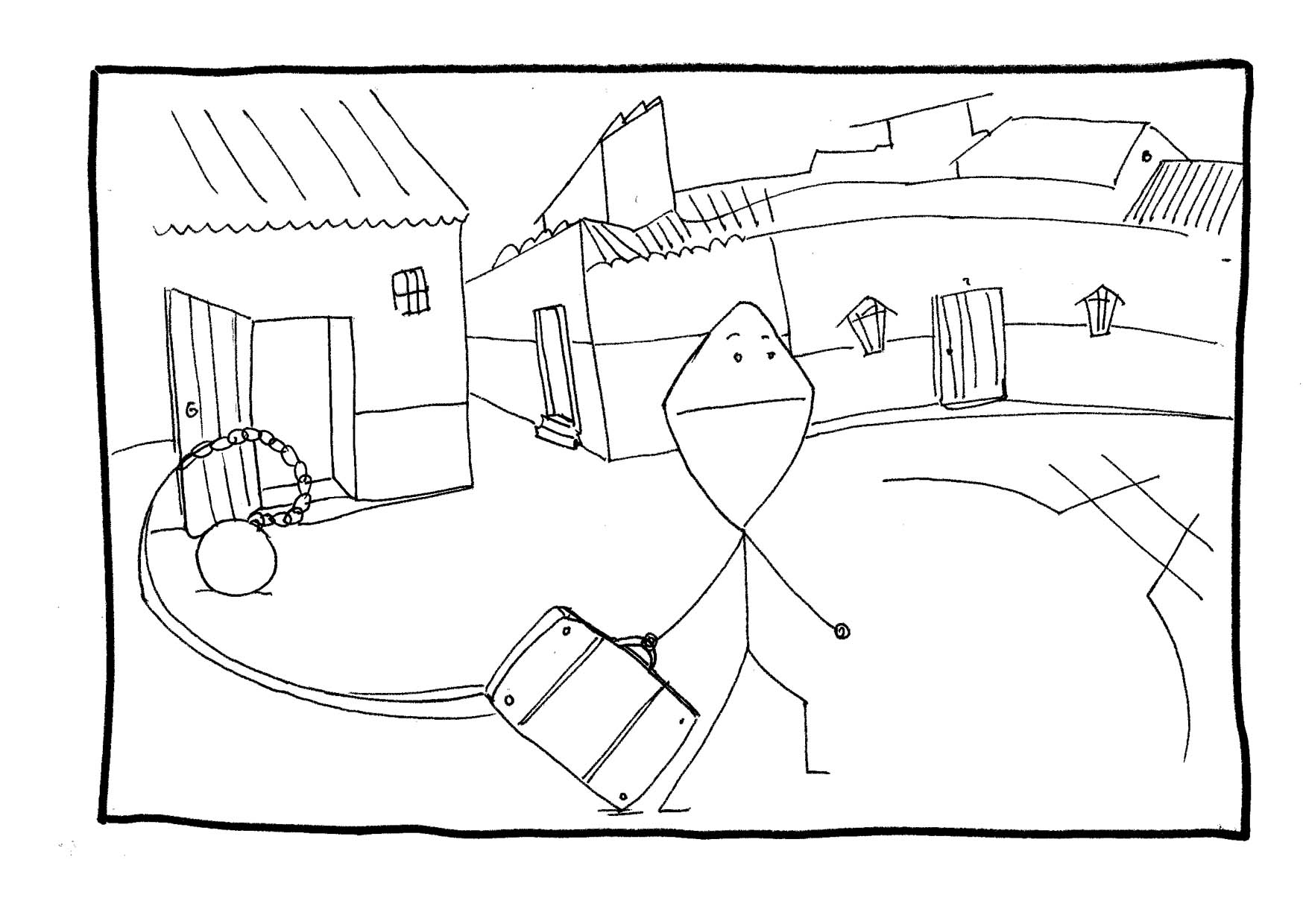
The second is a question of choices: on the Internet, we form networks with those who interest us because the conversation interests us; however, it’s hard to choose the neighbors and workmates in the community one was born in.
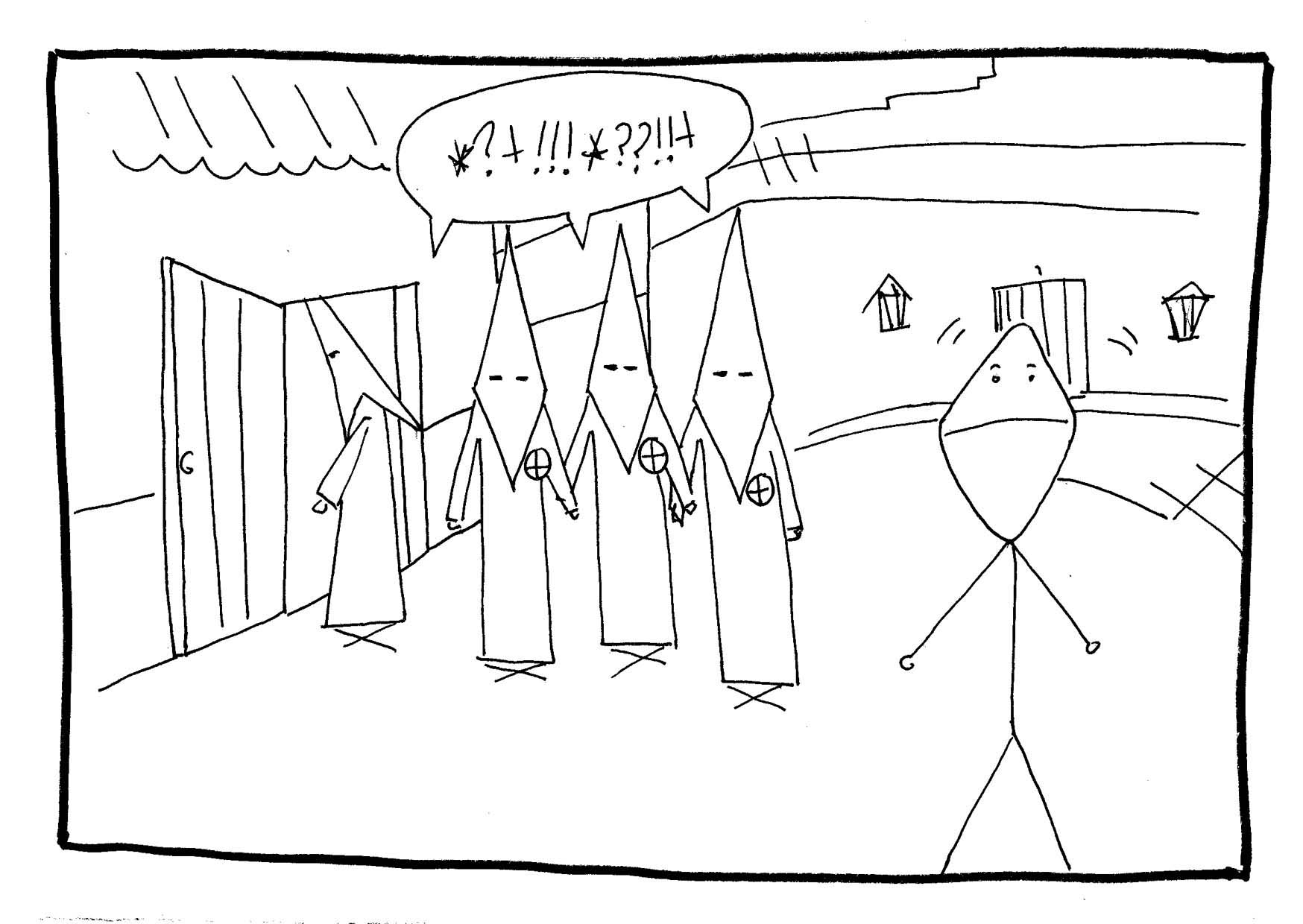
The third has to do with distance: conversations on the Internet are delimited by languages that we each use, not by where the participants are. When virtual communities are formed, they share an identity of their own based on the conversation, context and knowledge that they develop. How could we not feel that virtual communities are liberating? We don’t remain in them because we feel obliged, or because the cost of leaving them scares us; we form them with those who interest us — their passports don’t matter. Only what you say and contribute counts.
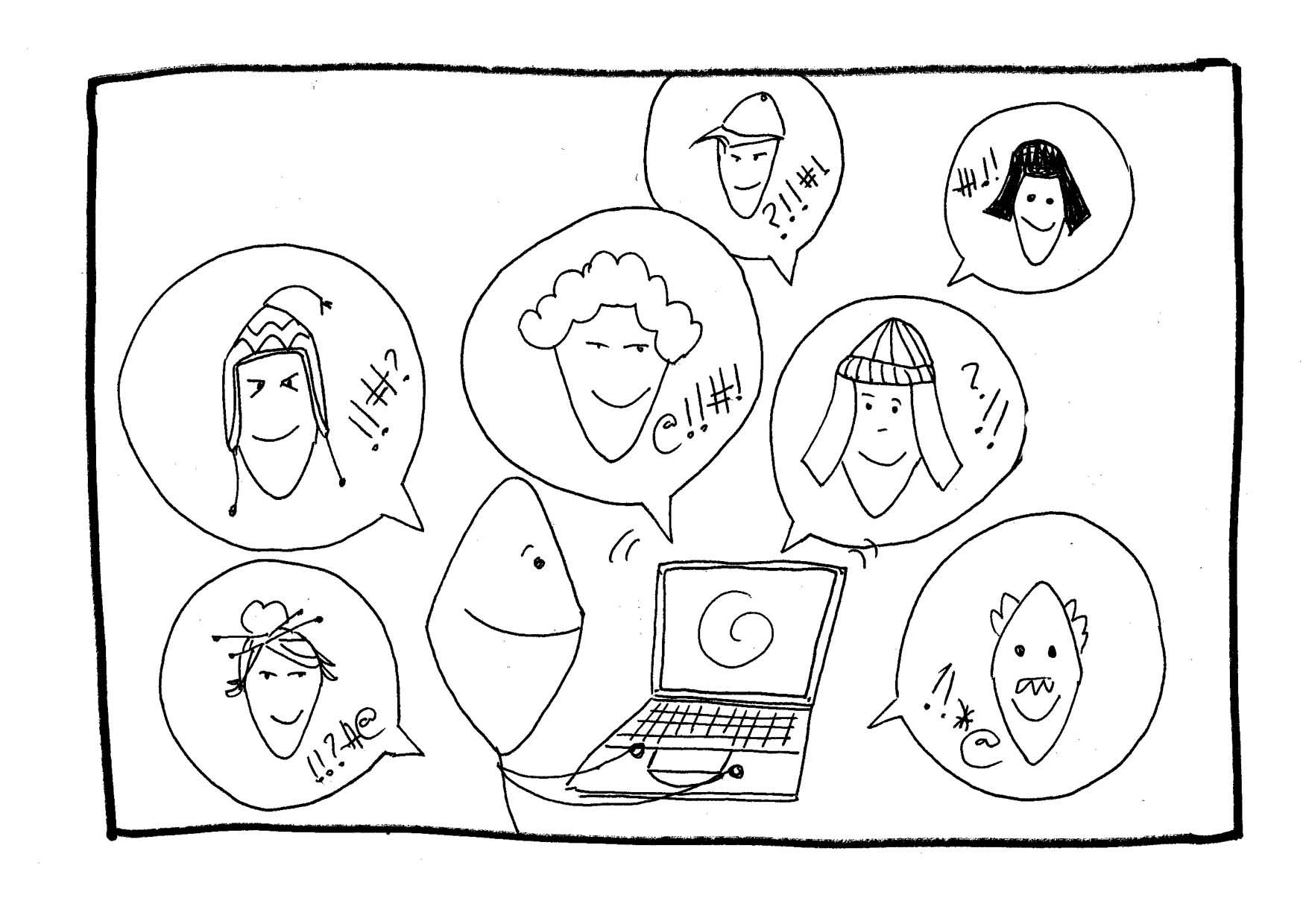
However, virtual communities and identities have a large “but,” even if we compare them with the old, national “imagined identities.” By being based on conversations between people that don’t share an economy, it’s difficult for them to be “complete” identities, capable of explaining the relationship between who you are in the community, what you do for it, and the results of your work. And that…that is important for an identity.
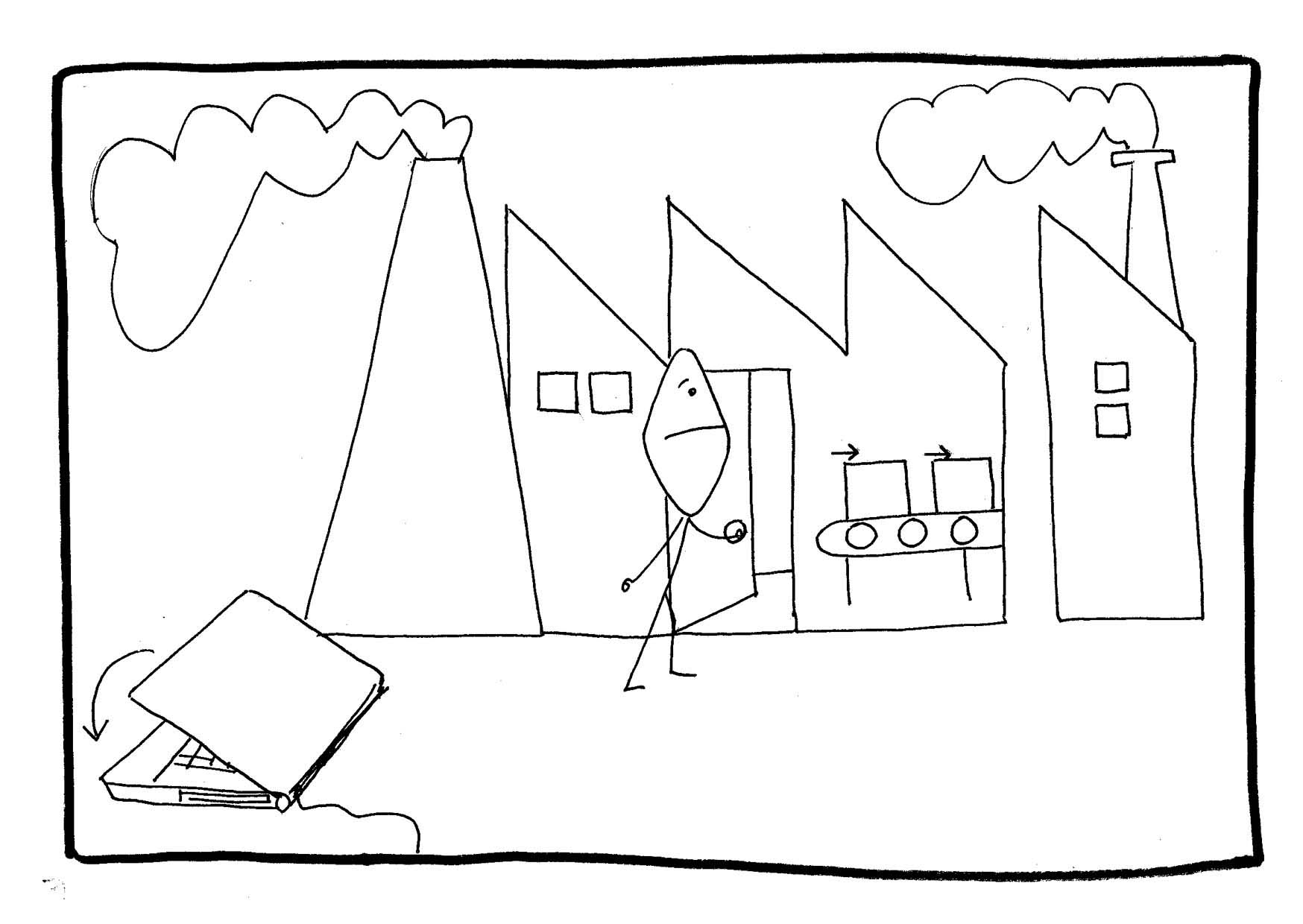
But that doesn’t happen in the world of the direct economy. The movement started in the Nineties, in a relatively small world. Used to meeting and collaborating in a network, no small number of groups of developers began to set up businesses starting in community, maintaining their transnationality and even deciding not to have a central headquarters. This is how businesses that are famous today, like MySQL, 37 signals or Monty Program, were born.
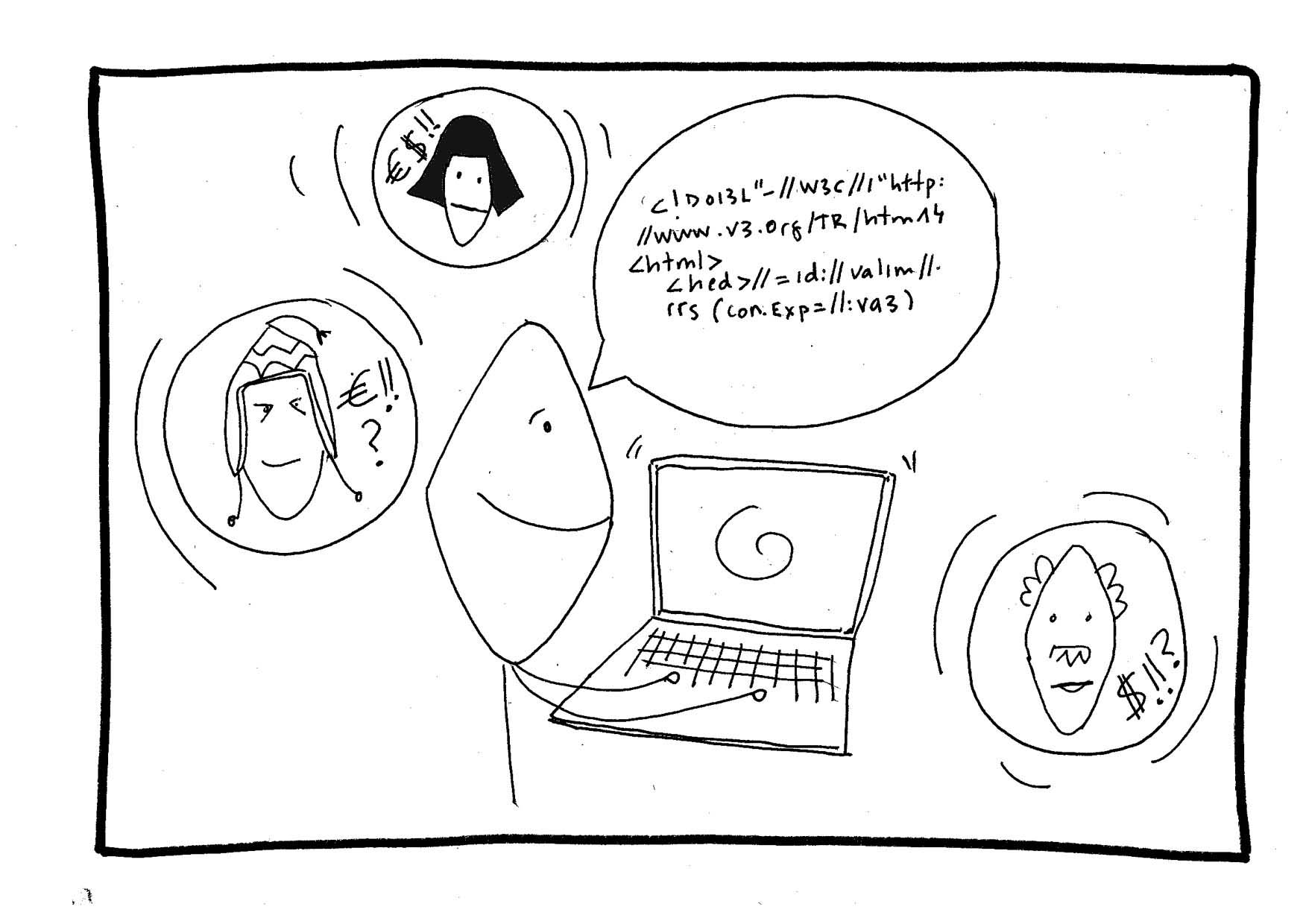
Programming, consulting, digital publishing, graphic design, and in general all the services that can be commercialized directly via the the Internet, were the natural point of departure for these first experiments in transnational communities that begin to provide themselves with a direct economy. Today, we are seeing the birth of a whole sector of the industrial direct economy be born, but also networks global linked through productivity, from ecovillages to the first transnational cooperatives.
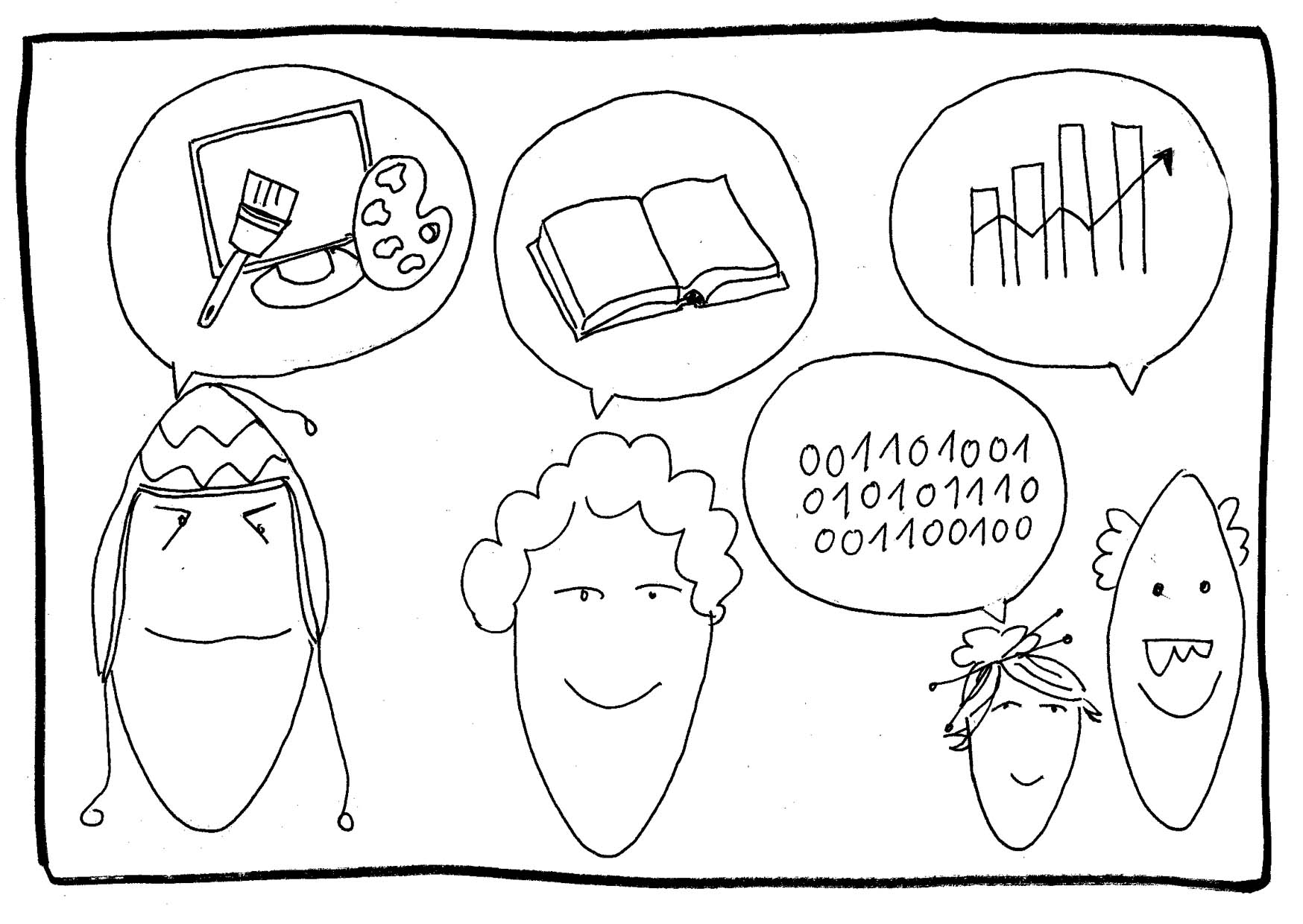
Being used to equality in conversation and to working in a network as peers, these transnational communities will naturally tend to experience forms of economic democracy, from cooperativism to networks of freelancers.
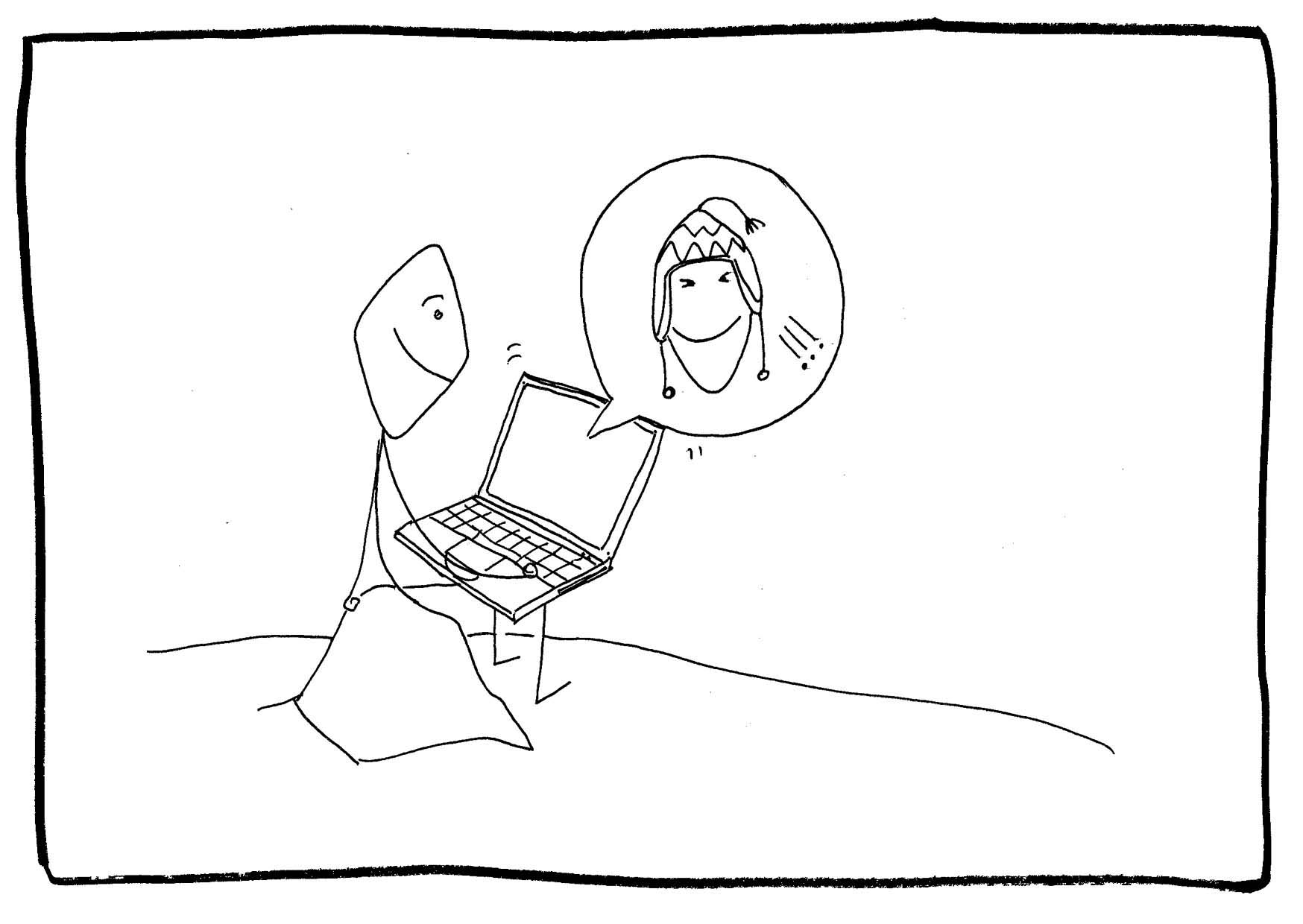
The result is an empowered, transnational real community with businesses organized according to the principle of economic democracy. The phyle.
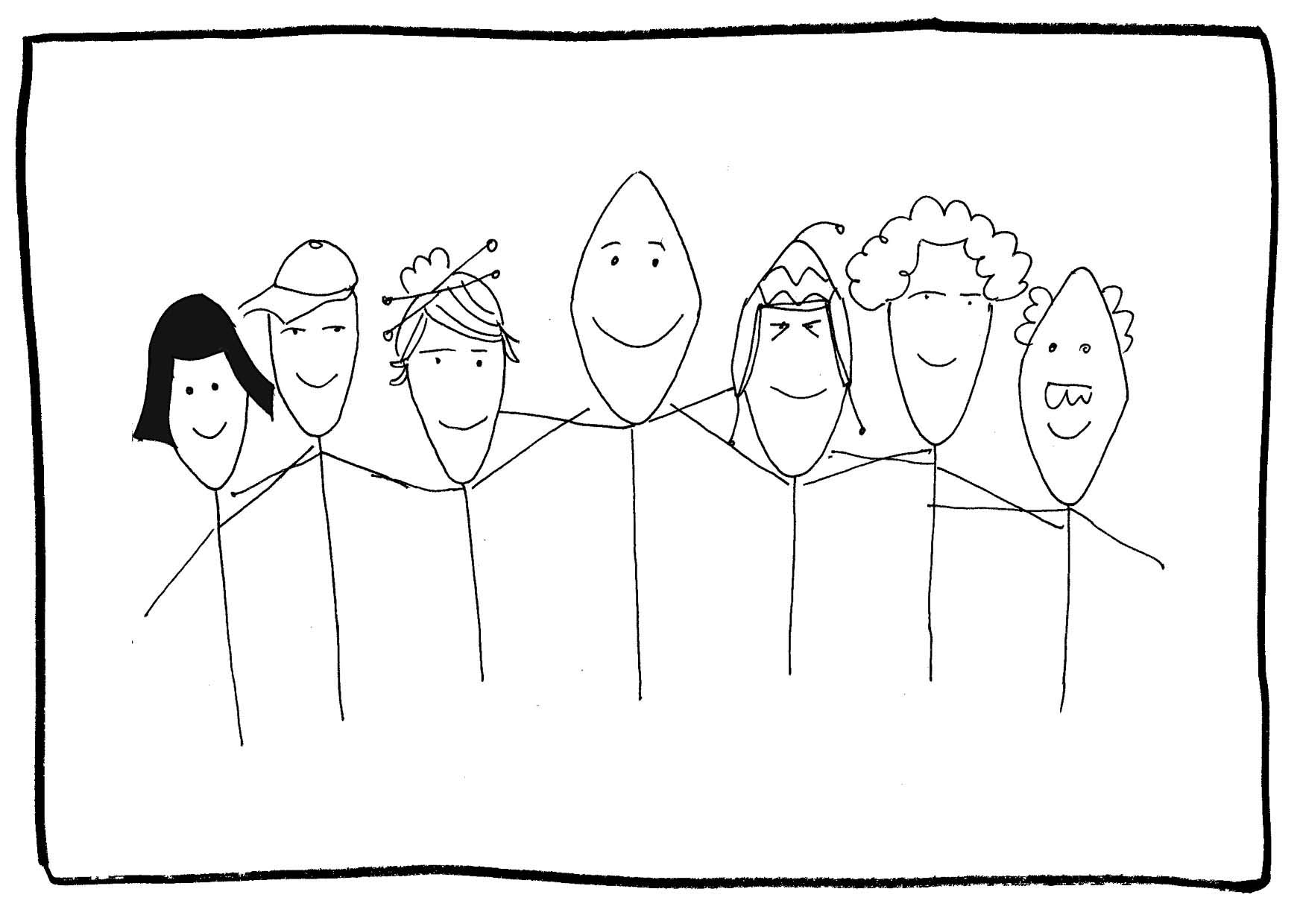
That’s why phyles go far beyond the classic models born of the virtual world. Since the Nineties, the phyle has been the trend in many communities of different types, from millions of African Sufi Muridies, to conservative Christians movements like the Focolare movement, plus ecovillages, co-living, or the rebirth of the kibbutz. Community empowerment with democratic economies and transnational approaches is the key to a new communitarianism.
Why? In large part, because the traditional socially cohesive models were based on the centrality of the state or of large corporations. They are centralized models that made us depend on a single power for the basic sustenance of social cohesion.
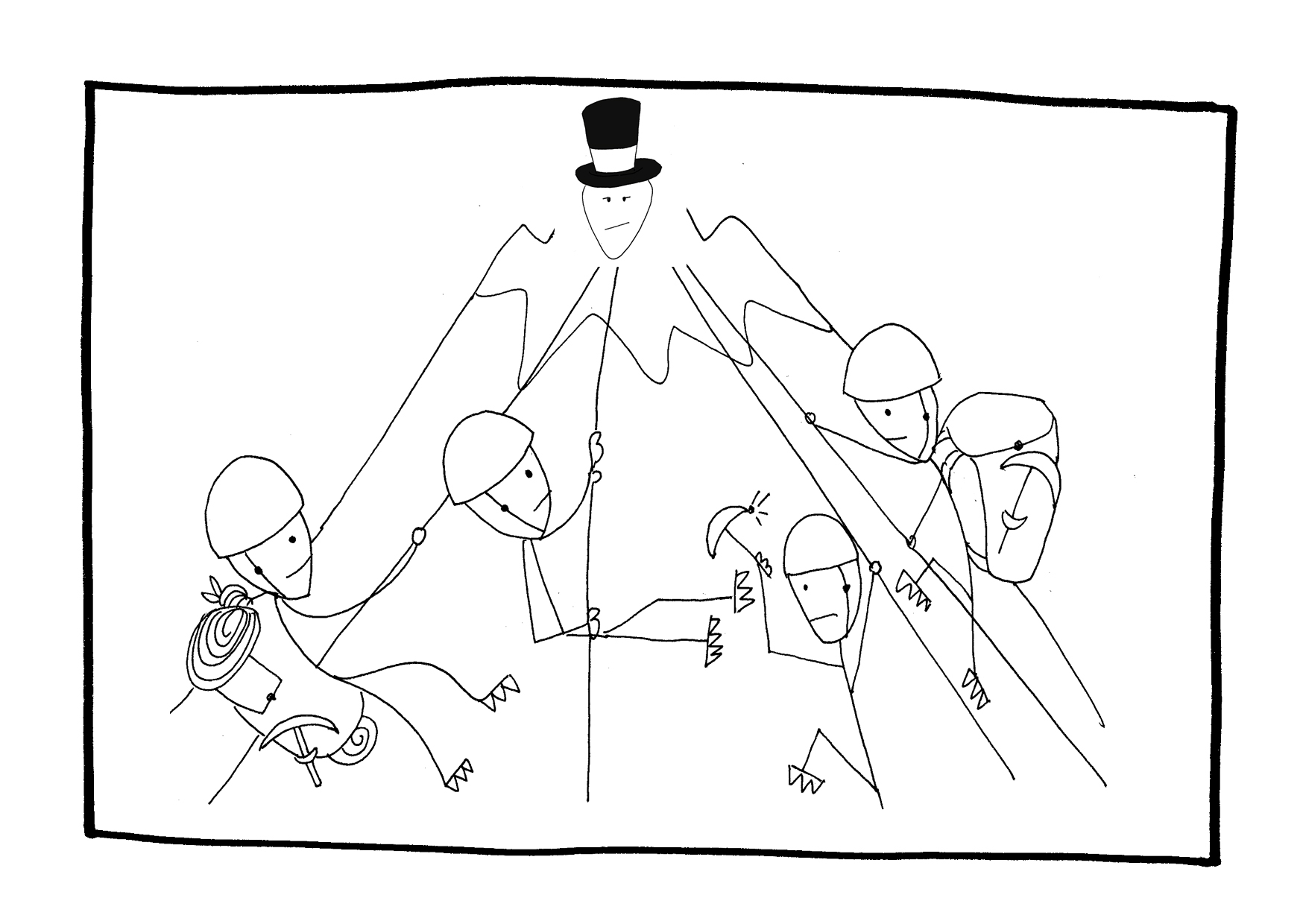
But we must not forget that the whole story we’ve told is, for the world of big corporations, a true crisis of scales. In the 80s, neoliberal policies (securitization, financialization, social cuts) gave the first response from the state in favor of those large businesses. The ’90s bet on a model of globalization that, as we’ve seen, would turn against it with the globalization of the small. Financial deregulation and speculative financial models would provide the rest in the first decade of the new century… and the result was an unprecedented crisis, in which the State and businesses shed the “ballast” of social cohesion.
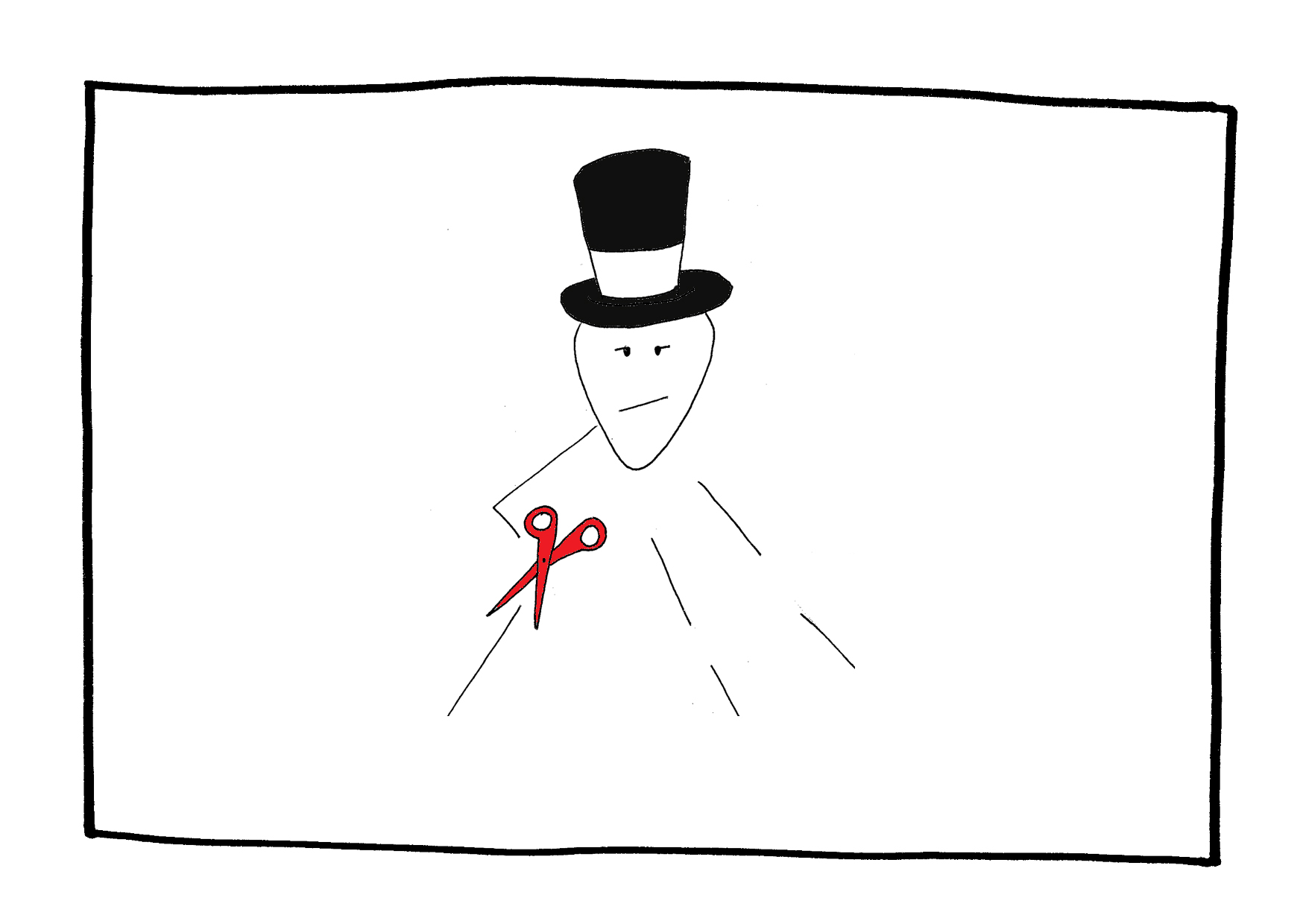
Social costs have been and will continue to be enormous, generating unheard-of increases in social and regional inequality.
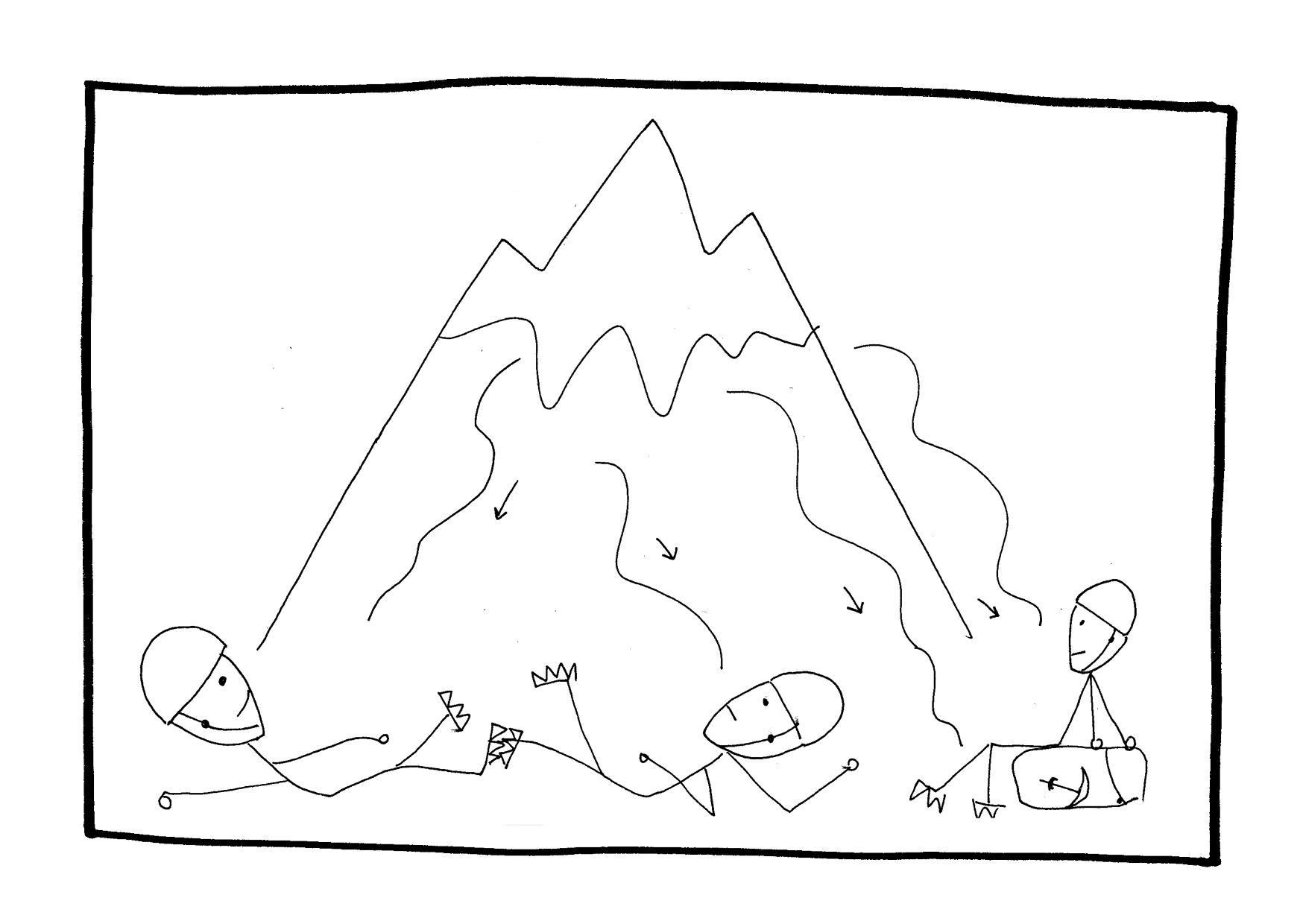
That’s why community and cooperative models are returning, models based on democratic criteria, which take full advantage of the experience of transition towards models that point toward a P2P mode of production…
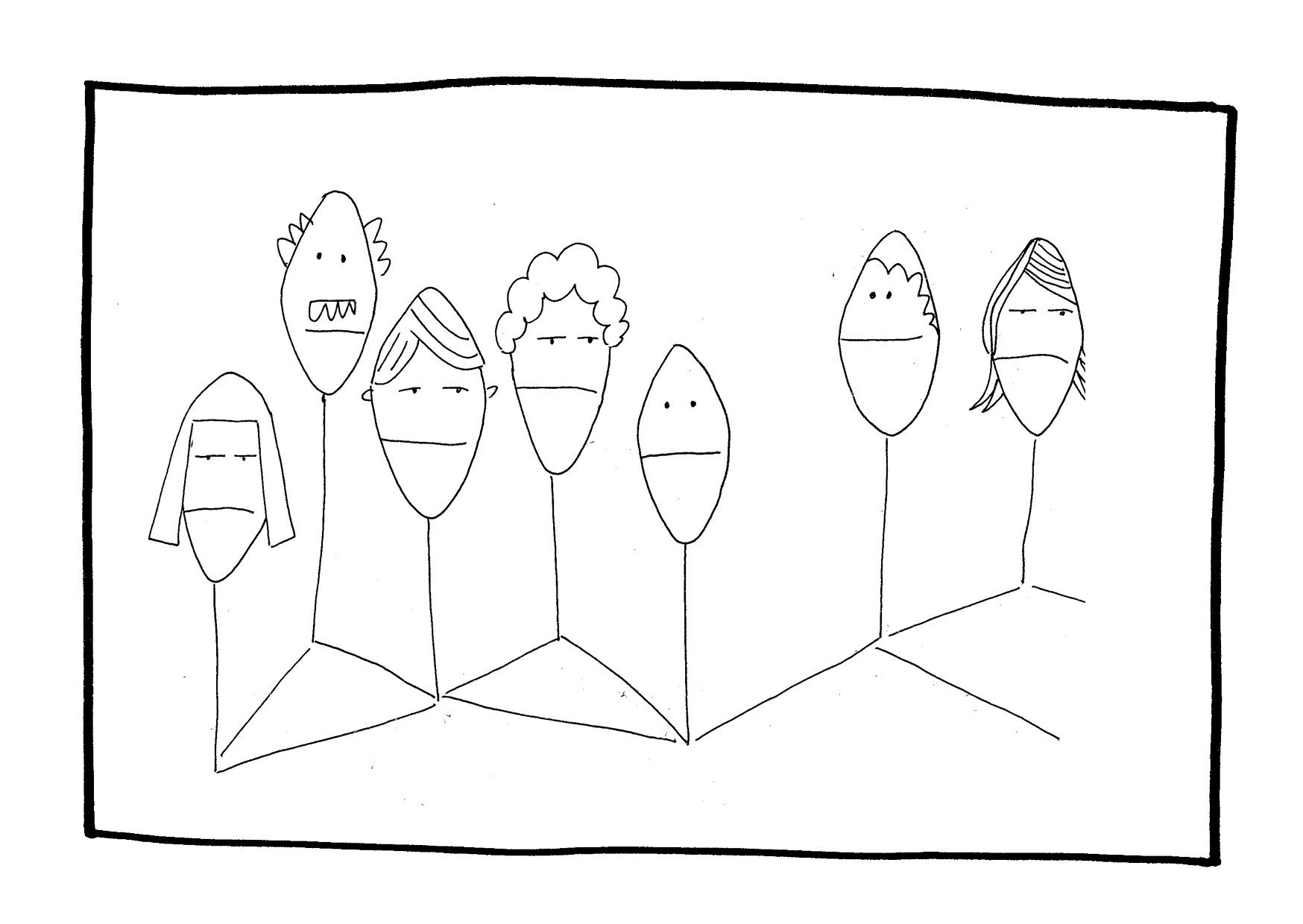
…but also — and this is why phyles are so important in the debate — starting from a transnational logic that goes beyond solidarity and local development models.
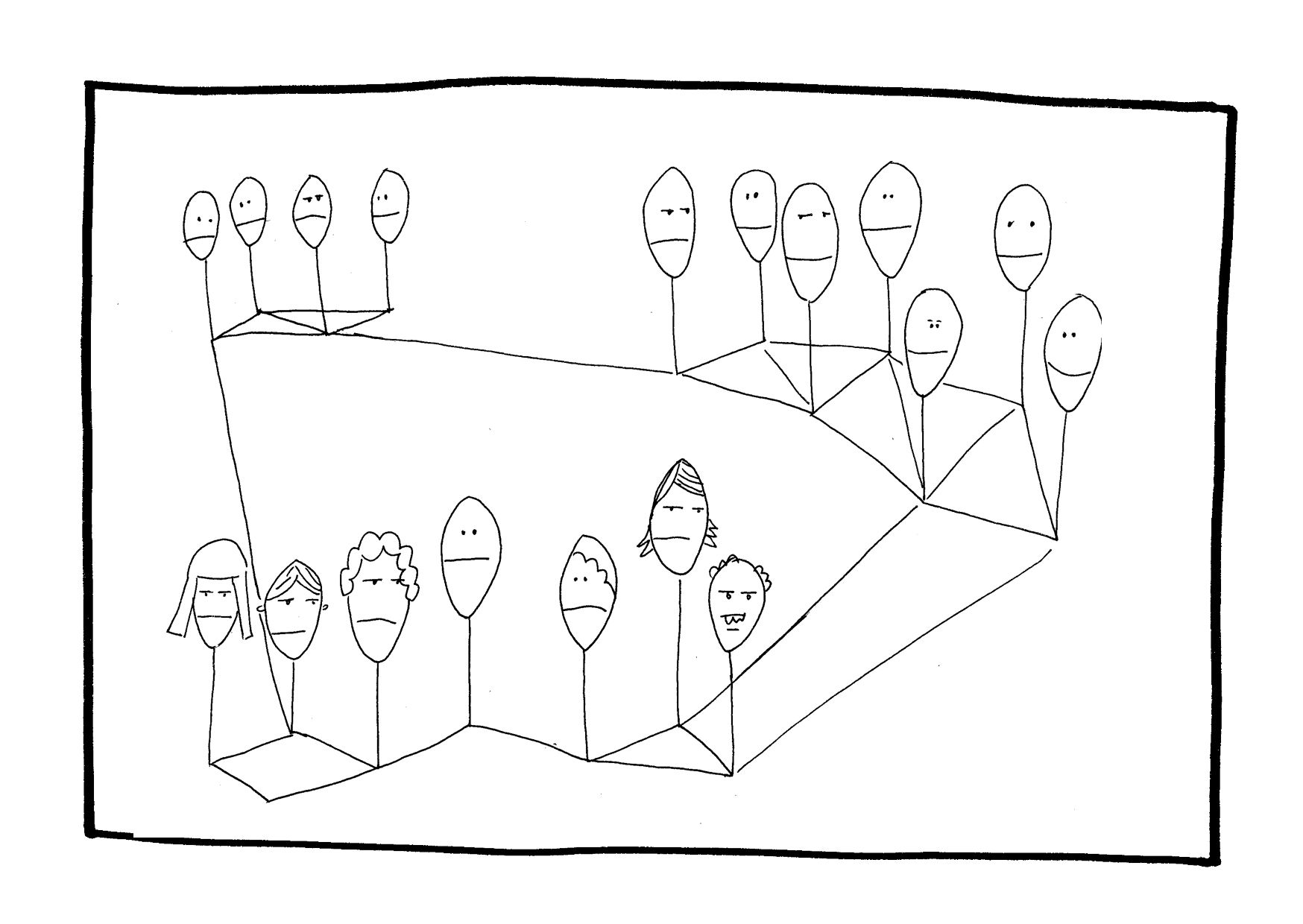
Because, the reality is that we’re not in a battle between an old world (of nations and big businesses) and a new world (communal and transnational at the same time), but rather, we are facing the decomposition of the old world. That is why the vacuums of social cohesion are immediately occupied, on a transnational scale, in violent, criminal ways, from global Big Gangs to cartels, or Al Qaeda.
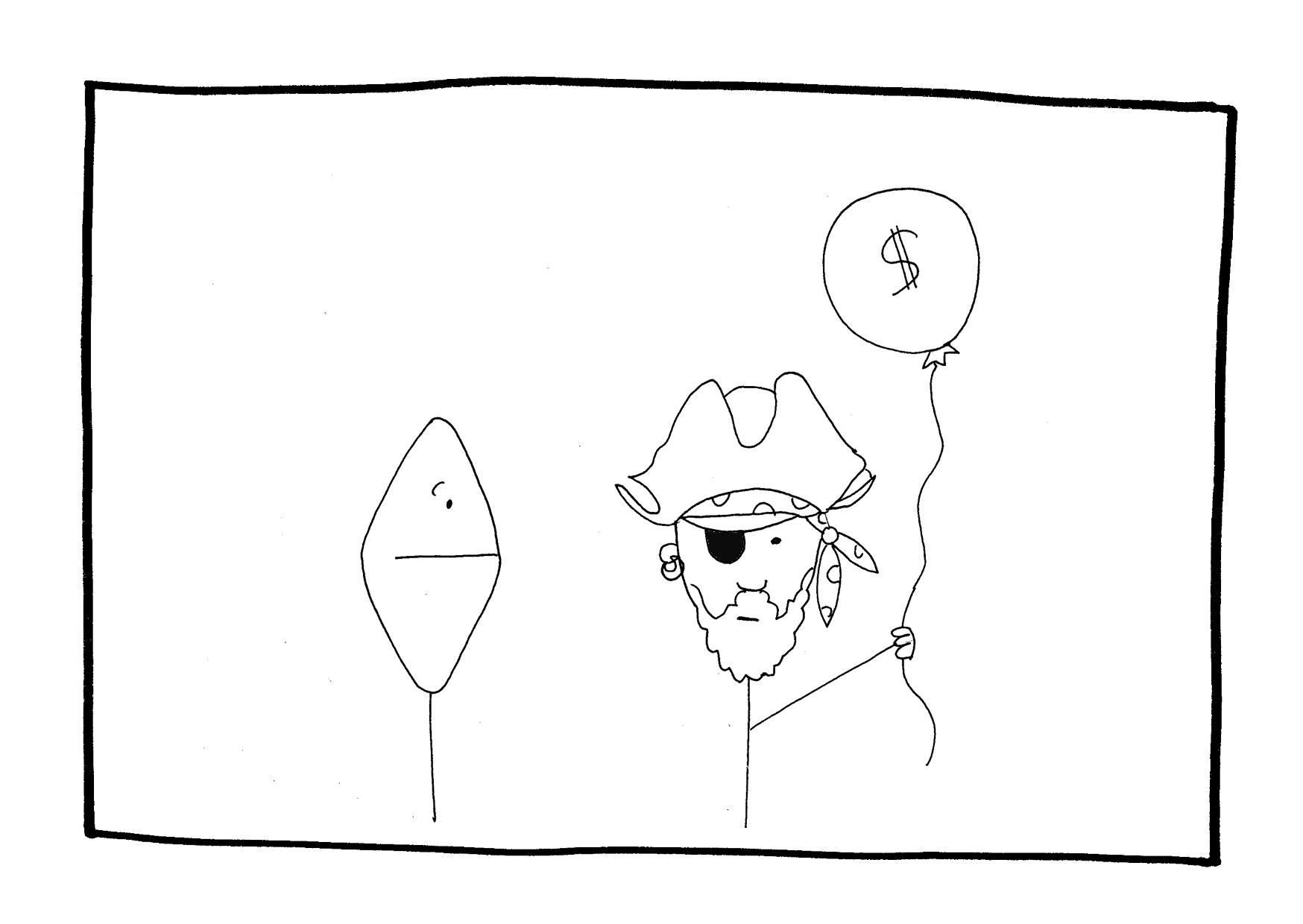
This is how the whole “new communalism,” from P2P talks to debates about the FLOK Society, including the new North American cooperativism, mutualism, or the movement of the ecological economy, represent the attempt to contribute non-universalist global solutions that are not based on imagined and abstract identities, but rather on real communities, through the development of community economies capable of sustaining well-being in a network. Resistance by the old powers to the globalization of the small and the vibrant freedom of distributed networks has left us a dramatic panorama of globalized decomposition. Within this map of reasons for pessimism, we find hope where postmodernism resists decomposition, along with the reemergence of real human community and the decline of universalism. They are more than good news: they are the foundation of a new world, and certainly, of a variety of worthwhile futures.
Guerrilla Translation/Related Posts: The Future Now/ David de Ugarte
 Towards a Material Commons/ Michel Bauwens Dmytri Kleiner John Restakis
 The Path to the RealWorld™/ @Ciudadano_Zer0
The Future Now
 Neal Gorenflo, from Shareable, Michel Bauwens, from the P2P Foundation and John Robb, from Global Guerrillas, interview las Indias’ David de Ugarte

- Translated/Re-edited * by Stacco Troncoso, edited by Jane Loes Lipton - Guerrilla Translation!
- Images by Las Indias and Shareable
- Read the Spanish version here
In this interview, Shareable publisher Neal Gorenflo, John Robb of Global Guerrillas, and P2P foundation’s Michel Bauwens talk to David de Ugarte, one of the originators of the Spanish cyberpunk scene, about his more recent work developing a multinational worker cooperative, Las Indias, that is a culmination of his community’s thinking and work for the last decade. Las Indias is the manifestation of a unique socio-economic philosophy that synthesizes many strains of thinking and culture including cyberpunk, anarchism, network thinking, and cooperatives – all with a Spanish twist. It’s important because it points to a possible future for those who think outside of national boundaries, and who desire or need to take control of their own economic destiny. It’s a possible future that takes the centuries-old logic of cooperatives and remixes it for the urban-centered, global network society we live in today.
Michel Bauwens: Explain to us what Las Indias is, where it comes from, and what makes it distinctive?
David de Ugarte: Las Indias is the result of the Spanish-speaking cyberpunk movement. Originally a civil rights group, during the late 90s it became strongly influenced by Juan Urrutia’s “Economics of Abundance” theory. We soon linked “abundance” with the idea of empowerment in distributed networks. We are very clear on this point: it is not the Internet by itself, it is the distributed P2P architecture that allows the new commons. As one of our old slogans put it: “Under every informational architecture lays a structure of power.” Re-centralizing structures – as Google, Twitter, Facebook, Megaupload, etc. do around their servers – weakens us all. The blogosphere, torrents, freenet, etc. are tools of empowerment.
 Cyberpunk was mainly a conversational / cyberactivist virtual community. It became transnational quickly, and contributed some very good discussions and theories that helped us understand the social impact and possibilities of distributed networks.
But in 2002, three of us founded Las Indias Society, a consultancy firm focused on innovation and networks dedicated to empowering people and organizations. Our experience soon became very important in understanding the opposition between “real” and “imagined” communities, and the organizational bases for an economic democracy. After the cyberpunk dissolution in 2007, the “Montevideo Declaration” openly stated that our objective will be to construct a “phyle,” a transnational economic democracy, in order to ensure the autonomy of our community and its members.
We define ourselves around five main values:
- Distributed network architectures as a way of generating abundance, empowerment, and to ensure the widest plurarchy – the maximum of individual liberties – for the members of our community.
- Transnationality (which means a rejection of national identities as well as universalism) as a consequence of putting the real community of persons who live and work in Las Indias at the center of our work.
- Economic democracy as the way to build personal and community autonomy through the market.
- Hacker ethics as a way to foster community knowledge generation, common deliberation, personal passion, and a collective pleasure in learning.
- Devolutionism: all our production of knowledge – books, software, contents, even recipes – is returned to the commons, generating more abundance.
Neal Gorenflo: What is the vision of Las Indias? What would the classic, most developed form be in the future? What are you after in terms of how it can transform individuals, interpersonal relationships, and the world?

Neal Gorenflo
Our vision is not a universalist one. We don’t proselytize and we really believe that diversity is a desirable consequence of freedom.
But we have a vision for us – the phyle – and a wish: to see the birth of a wider, transnational space of economic democracies. We imagine networks of phyles generating wealth, social cohesion, and ensuring liberties for real people rather than the governments’ power and their borders and passports.
We are not naive nor utopian. Distributed networks gave our generation the opportunity to build a new world. But this new world, based on the commons, communities, economic democracy and distributed networks, isn’t completely born. And the old world, based on the artificial generation of scarcity, corporations, inequality, and centralized networks, isn’t dead.
It is very symptomatic that the European crisis manifests as a debt crisis. Governments are suffocating society in order to feed privileged groups – big corporations, some sectors dependent on public money – who have captured state rents or ensured it through monopolistic law. So, the main objective and the main vision now is to stop these decomposing forces in our environments.
MB: How does Las Indias work internally? How is it funded?
There are different levels of engagement and commitment. As a phyle we are really a network. On the periphery, there are individual entrepreneurs with their initiatives. At the core, there are the associated cooperatives, and at that core, the Indianos.
We differentiate between the community (the core of the phyle) and the Cooperative Group.
Indianos are communities that are similar to kibbutzim (no individual savings, collective and democratic control of their own coops, etc.). But there are some important differences like the lack of a shared national or religious ideology, being distributed throughout cities rather than concentrated in a compound, and not submitting to an economic rationality.
John Robb: What kind of coops are in the Las Indias network? What are the synergies between the cooperatives?
At this moment we have three coops: Las Indias (a consultancy), El Arte (our new product lab), and Enkidu (Open Software). There are also three participative enterprises that employ some 20 people.
All of them are expressions of our members’ different passions, which answer the different needs of our community and environment.
MB: How do you position yourself vis-a-vis the current global capitalist system? What alternative are you proposing?

Michel Bauwens
We think cooperatives and economic democracy (a rent-free market society), hand in hand with a liberated commons as the alternative to capitalism, can be made possible through distributed networks.
But we are economic democrats, so we don’t want the state to provide the alternative to crony-capitalism and accumulation. Indeed, we think it can’t. We have to build it by ourselves, and demand the state to remove the obstacles (as IP, contracts for big politically connected corporations, etc.) that protect privileged groups’ rents from competition in the market.
The alternative will not be built through government regulations, but inside our own networks. It will not defeat the corporate organization through courts or elections, but through competition.
NG: We live in a world saturated in corporate media. How do you maintain a culture of cooperation at Las Indias in the face of this onslaught of atomizing, consumerist messages? What spiritual or cultural practices and artifacts can you point to that are especially helpful?
All of us spent many years sharing small apartments downtown, walking or going to work by bus, working in bad jobs through school and after finishing our degrees. It is not a unique condition, it is the reality of the job market in Spain, Portugal, and many Latin American countries in a wide group of middle class children of our generation.

David de Ugarte
The result of this experience for many people was a particular culture that mixed a lot of immaterial, cultural consumption – some of it provided for free, by the state – with a reduced access to consumerism compared to older people.
In 1996, I was 26 and finishing a degree in economics in Madrid. I worked in a call center earning 450€ a month, working eight hours a day from four to midnight. I spent 300€ on rent, around 100€ for food, electricity, telephone and public transport, and 48€ on an Internet connection. As you can imagine, my “leisure” time was spent around the public library, museums, the public filmotheque (classic movies were 60 cents a ticket), at cheap potluck dinners and, of course, online.
My experience was not extraordinary at all, and it’s even more common now.
This mode of cultural consumption is based on public cultural goods, cheap second-hand or popular edition books, and “cocooning.” The P2P world made sense in our everyday culture.
So, some years later our incomes increased and we earned autonomy, but for us a good living still means good broadband, access to cultural works, good museums, and good meals in comfortable but not very expensive flats downtown. None of us has a car or has bought a house.
But please don’t be confused. We don’t make a cult of austerity. We simply have a different culture, we enjoy different things. None of us has a TV either, but many of us have projectors for watching videos off the Internet.
NG: In Spain, you’re often associated with the cyberpunk movement, which was born in the US in the early 80s. How has cyberpunk influenced you and Las Indias? And how is cyberpunk relevant today?
Cyberpunk activism was strongly influenced by cyberpunk literature. Even today, classic cyberpunk works like Bruce Sterling’s Islands in the Net and Green Days in Brunei, and post-cyberpunk like Neal Stephenson’s The Diamond Age, provide models for discussing subjects we think are important at this moment: distributed vs. centralized networks, economic democracy vs. corporate power, etc.
Cyberpunk taught us to discuss in a mode outside the political tradition: not around theses and programs, but around models and myths, where auto-criticism and irony were easier and dogmatism almost impossible.

MB: For me, some of the most innovative concepts in the Las Indias books were the concepts of phyles and neo-venetianism. What do these mean?
Phyle is a community that develops an economic structure based on economic democracy in order to ensure its own autonomy. The order of the terms is important: phyle is a community with firms, not a community of firms, nor a community of people who own some firms. The firms are tools for the autonomy of the community – a means, not an end – and are always less important than the needs of community members.
Neovenetianism is the ideology of those who see the creation of phyles as the natural evolution of their communities, so that this evolution, its dialogues and deliberations, would be free from the influence of the political and economic decomposition of the states and the markets they live in.
Virtual communities are by nature transnational. If they have borders, these are the borders of language. A few days ago I saw a tweet saying, “When the Canadian border crossing guards asked me where I was from, I was really tempted to say ‘the internet.’” Many people feel like that tweeter. But that causes a kind of schizophrenia: life becomes divided in two, the virtual life and the working life. Phyles reunify our lives around our intentional virtual community.
MB: What do the new concepts of the sharing economy (Shareable), p2p (P2P Foundation), the commons, and resilience (Global Guerrillas) evoke for you, and how does Las Indias relate to them?
P2P means distributed networks, commons, abundance. It’s the meaning of life!
The sharing economy means community, autonomy, commons, gift, joy, abundance again. It is the real sense of our core, the “how-to” of abundance, the way we live.
Resilience is at the same time the golden rule and the consequence of building community on a shared economy under a P2P architecture. It is our main virtue and the only thing that can guarantee survival even under increasing global decomposition.
JR: Any plans for micro-finance or a bank to speed cooperative growth?

John Robb
We made a big effort to set up partnerships with mutual benefit societies and credit coops in South America. Our idea was to bring in our knowledge and criteria to create viable and productive coops, while the credits coops would attract new solid, stable members in the mid-term.
However, a series of accidents and health issues in the middle of 2012 affected our plans, and that idea had to be abandoned as the Indianos decided to “regroup” in Europe. So, we’ve had to develop these ideas in different ways for the last year and half.
In September 2012 we created Fondaki-SIP-ner, along with a dozen small industrial companies, many of them coops. Fondaki is a not-for-profit public intelligence consultancy that helps small and medium enterprises find new markets and develop new lines of innovation, two key issues for small enterprises and coops looking to face the consequences of the current crisis without destroying employment, while creating social cohesion. In January 2013 the younger Indianos founded Enkidu, the first coop created by our core group since the beginning of the crisis in 2008.
And, of course, we’re still focused on the globalization of “the small”. We think that’s one of the key issues today. In 2012, along with the Garum Foundation, we worked on the development of “Bazar”, which is free software for the creation of distributed commercial networks. It’s something we’d like to take up again, and which would complement the development of the Direct Economy, probably the most important opportunity for generating communal autonomy today.
JR: How long does it take to train a regular person in cooperative business practices? Are there plans for teaching cooperative thinking online to grow it faster?
It takes time! Unfortunately, almost everything in the mainstream culture teaches us that the world is a zero-sum game, and that markets must be ruled by jungle law. But the simple truth is that they shouldn’t be, and we, people, can make the difference.
What we’ve noticed these last few years is that one of the most destructive side effects of the crisis is how it affects people’s confidence in their own capabilities. Especially in Europe, among the generation that finished its studies post-2008, the effect is often devastating. People find it very hard to believe that the system can offer them a future when it can’t even offer them a job. But it’s also difficult to imagine your own future, an alternate endeavor of one’s own, when every other conversation, year after year, comes back to the “no future” scenario.
This is why, towards the end of 2013, we’ve re-oriented our whole communications strategy, especially lasindias.com, towards “an interesting life”. During all these years, from cyberpunk to 2012, we were characterized by striving to provide a perspective on the political significance of technology. That was also at the core of our books, from “Like a vine, not like a tree” in 2003 to “The P2P mode of production” in 2012. But now we feel the need to focus on something more basic, an ethical, empowering perspective without which the questions we’re looking to answer wouldn’t make any sense. Why would anyone want to partake in commons-oriented peer production when they can’t even imagine a future for their own community? How will anyone create or join a cooperative when they think that any collective decision-making process is something authoritative?

JR: How do Las Indias cooperatives tie into the physical community?
Our sense of community is indeed very physical on all levels. The inner circle, los indianos, try to work together as much as possible, sharing offices or houses.
The wider community, the aggregation of our families and close friends, is at the center of our concerns. I mean, it’s not only the question of time management, the possibility of spending more time with your people than in a “normal job.” The kind of security you build in a model like ours it is not only about yourself, you know that all the common resources will be ready for your family and your people if they will need it.
MB: Where will humanity be in 20 years?
I hope we will see big transnational spaces with freedom of movement and trade, instigated by networks of economic democracies building wider commons accessible to everyone.
We’ll see. I hope to see the erosion of this idea called capitalism, according to which a single production factor — capital — is the sole determinant of a company’s ownership. The reduction of the scale of production has been the one fundamental tendency that’s remained constant over the last century. As a result, capital isn’t as scarce as it was at the birth of the present economic system. In fact, as the value of production is further tied to factors such as creativity or knowledge, the entire pyramid-like organizational structure becomes ever more dysfunctional, highlighting the need for cooperative protocols in companies.
I hope we will live in a society where capitalism will be marginal but with a market that will not allow rents nor privileges, where the mix of small and ubiquitous tools of production will be furthered by big global repositories of public domain designs as innovative and popular as free software is now.
I hope that in twenty years we will be living in a transnational society, but it is not historically determined. There are a lot of agents pushing towards recentralization: IP lobbies, big Internet firms, rent seekers, state machinery, financial interests, global mafias, etc. So the possibility of terminal nationalism and statism with its social decomposition is also there.
The choice between a society of freedom, based in an egalitarian market and robust commons, and global decomposition depends of our actions in this decade.
Guerrilla Translation/Related: Towards a Material Commons/ Michel Bauwens Dmytri Kleiner John Restakis
 Venture Communism and Technological Miscommunication: a Conversation with Dmytri Kleiner
*. [This article was originally published in Shareable in February 2012. We contacted Bauwens, Gorenflo and de Ugarte to check whether it had been translated to Spanish or not. It turned out it hadn’t, so we proposed translating and revising the text to reflect the changes of the last two years, with de Ugarte updating his original answers and providing some new ones. This version contains both our translation back to English, and our copyediting of the updated interview. ]↩
El futuro ahora
 Neal Gorenflo de Shareable, Michel Bauwens de la Fundación P2P y John Robb de Global Guerrillas entrevistan a David de Ugarte, de las Indias *
- Traducido por Stacco Troncoso, editado por David de Ugarte - Guerrilla Translation!
- Imágenes de las Indias y Shareable
- Artículo original, publicado en Shareable
En esta entrevista, Neal Gorenflo, editor de la revista Shareable, John Robb de Global Guerrillas y Michel Bauwens de la Fundación P2P charlan con David de Ugarte, uno de los pioneros de la escena ciberpunk española, sobre su proyecto principal: “Las Indias”. Se trata de una cooperativa de trabajadores transnacional que supone la culminación de más de una década de trabajo teórico y práctico. Las Indias es la manifestación concreta de una filosofía socioeconómica muy peculiar que sintetiza diversas corrientes culturales y teóricas, incluyendo el ciberpunk, el anarquismo, la cultura de redes y el cooperativismo –todo filtrado a través de un matiz hispano.
Las Indias es un proyecto muy importante, dado que apunta hacia un posible futuro para todo aquel que piense más allá de las fronteras nacionales y quiera tomar control de su destino económico. Se trata de un futuro posible que aúna la lógica centenaria del cooperativismo, remezclándolo para la sociedad de redes globales y urbanitas de hoy en día.
Michel Bauwens: ¿Qué es Las Indias, de dónde viene y qué os distingue?
David de Ugarte: Las Indias es resultado del movimiento ciberpunk en español. Empezó como un grupo de derechos civiles que, a finales de los 90, adoptó muchas de las teorías de la “economía de la abundancia” de Juan Urrutia. No tardamos en relacionar la “abundancia” con la idea del empoderamiento en las redes distribuidas. Esto lo tenemos muy claro: Internet por sí solo no va a permitir la creación de un nuevo comunal, es la arquitectura distribuida P2P lo que lo permite. Ya lo decíamos en una de nuestras antiguas consignas: “Tras toda arquitectura informacional se esconde una estructura de poder”. La recentralización de las estructuras en torno a servidores propietarios, como los de Google, Twitter, Facebook, Megaupload etc., nos hace daño a todos; mientras que la blogosfera, los torrents, freenet y demás son herramientas para el empoderamiento.
 El ciberpunk era, principalmente, una comunidad de ciberactivistas conversacional/virtual. Pronto se volvió transnacional y aportó grandes debates y teorías que nos ayudaron a comprender el impacto social y las posibilidades de las redes distribuidas.
En el 2002, fundamos la sociedad de Las Indias entre tres personas. Se trata de una consultora centrada en innovación, inteligencia y redes, dedicada a empoderar a organizaciones e individuos. Esta experiencia nos fue muy útil para comprender el contraste entre comunidades “reales” e “imaginadas”, además de las bases organizacionales de una democracia económica. Tras la disolución de Ciberpunk en 2007, dejamos nuestros objetivos bien claros en la “Declaración de Montevideo“: la construcción de un “filé” y de un espacio transnacional basado en la democracia económica que garantice la autonomía de nuestra comunidad y sus miembros.
Nos autodefinimos según cinco valores clave:
- Arquitecturas de redes distribuidas como forma de generar abundancia, empoderamiento y asegurar una plurarquía lo más amplia posible y con un máximo de libertades individuales para todos los miembros de nuestra comunidad.
- Transnacionalidad (incluyendo el rechazo explícito de las identidades nacionales y del universalismo) como consecuencia de centrar nuestra labor en las necesidades de la comunidad de personas que hacemos las Indias y su entorno real.
- Democracia económica para construir una autonomía personal y comunitaria a través del mercado.
- La ética hacker para alentar la generación de conocimiento desde y para el procomún, la deliberación en común, la pasión personal y el placer colectivo en el aprendizaje.
- Devolucionismo: todo el conocimiento que hemos producido, ya sea mediante libros, software, contenidos o incluso recetas– se devuelve al procomún, generando así aún más abundancia.
Neal Gorenflo: ¿Cuál es la visión de las Indias? ¿Cómo conceptualizáis su desarrollo pleno de aquí a un futuro? ¿Qué busca en términos de la transformación del individuo, de las relaciones interpersonales y del planeta?

Neal Gorenflo
No tenemos una visión universalista. El proselitismo no es lo nuestro y creemos que la diversidad es una de las consecuencias más deseables de la libertad
Pero sí que tenemos una visión para el proyecto –la filé– que va unida a un deseo: ver la creación de un espacio trasnacional de democracia económica mucho más amplio. Concebimos una red de filés capaz de generar riqueza, cohesión social y garantizar la libertad de las personas –que no el poder de los gobiernos, con sus fronteras y sus pasaportes.
No es una visión inocente ni mucho menos utópica. Las redes distribuidas brindaron a nuestra generación la oportunidad de construir un nuevo mundo. Pero este nuevo mundo, basado en el procomún, la comunidad, la democracia económica y las redes distribuidas, no ha nacido de una tacada. Y el viejo mundo, basado en la generación artificial de escasez, las corporaciones, la desigualdad y las redes centralizadas, aún no ha muerto.
Me parece muy sintomático que la crisis europea se esté manifestando como una crisis de la deuda. Los gobiernos sofocan a la sociedad para alimentar a entidades privilegiadas –como las grandes corporaciones y aquellos que dependen de los ingresos públicos– que han capturado las rentas estatales o se dedican a acumularlas mediante legislaciones monopolísticas. Ahora mismo, nuestro objetivo principal, y el eje de nuestra visión, es poner freno a las consecuencias inmediatas de la descomposición en nuestro entorno.
MB: ¿Cuál es el funcionamiento interno de Las Indias ? ¿Cómo se financia?
Hay varios niveles de implicación y compromiso. Como filé somos, en realidad, una red. En la periferia están los empresarios individuales y sus iniciativas. En el centro están las cooperativas asociadas y, en el corazón de estas, los indianos.
Diferenciamos entre la comunidad (el corazón de la filé) y el grupo cooperativo.
Los indianos son comunidades parecidas a los Kibutz (no hay ahorros individuales, las propias cooperativas están bajo control colectivo y democrático, etc.) pero existen distinciones importantes, como son la ausencia de una ideología compartida nacional o religiosa, el estar distribuidos a través de varias ciudades en vez de concentrados en unas instalaciones y el entender que hay criterios por encima de la racionalidad económica.
John Robb: Háblanos de las cooperativas de la red de Las Indias. ¿Qué sinergias hay entre las distintas cooperativas?
En estos momentos contamos con tres cooperativas: las Indias -consultoría-, El Arte -nuestro laboratorio de nuevos productos- y Enkidu -software libre. Además de tres empresas participadas que en este momento emplean a casi una veintena de personas.
Todas son expresión de la diversidad de pasiones de nuestros miembros y dan respuesta a las distintas necesidades de nuestra comunidad y nuestro entorno.
MB: ¿Cómo os veis, vis-a-vis, dentro del sistema capitalista global actual? ¿Qué alternativas proponéis?

Michel Bauwens
Creemos que las cooperativas y la democracia económica (una sociedad de mercado libre de rentas) en combinación con un comunal liberado pueden suponer una alternativa al capitalismo y que podemos crearla a través de las redes distribuidas.
Pero somos demócratas económicos y no queremos que sea el Estado quien imponga la alternativa a este “capitalismo de amigotes” y a su cultura de la acumulación. De hecho, creemos que es incapaz de hacerlo. Tenemos que construirlo nosotros mismos y demandar que el Estado allane los obstáculos (como la propiedad intelectual, los contratos exclusivos para las corporaciones con conexiones políticas, etc.) que protegen las rentas de los grupos privilegiados ante la competencia en el mercado.
La alternativa no se va a construir a través de la regulación gubernamental, sino desde nuestras propias redes. Tampoco se superará el modelo de organización corporativa mediante la legislación o las elecciones, sino a través de la competencia.
NG: Vivimos en un mundo saturado por los medios corporativos. ¿Cómo mantenéis una cultura de cooperación en las Indias frente a este aluvión de mensajes consumistas fragmentarios? ¿Qué prácticas o artefactos espirituales o culturales os han sido útiles para enfrentarnos a esto?

David de Ugarte
Todos hemos pasado muchos años compartiendo cuchitriles en el centro la ciudad, caminando o yendo al trabajo en autobús, trabajando en condiciones precarias, tanto cuando estábamos en la facultad, como después de graduarnos… No se trata de una situación extraordinaria, es la realidad del mercado laboral en esta generación para los hijos de la clase media en España, Portugal y muchos países latinoamericanos.
Para muchas personas, esta experiencia dio lugar a una cultura muy particular que mezclaba una abundancia de consumo cultural inmaterial –adquirido en parte de manera gratuita y a través del Estado– con un acceso reducido al consumismo ejercido por nuestros mayores.
En 1996 tenía 26 años y estaba acabando la carrera de economía en Madrid. Trabajaba en un call center y ganaba 70.000 pts al mes trabajando ocho horas al día, desde las cuatro de la tarde a medianoche. Me gastaba 50.000 pts en el alquiler, unas 15.000 en comida, electricidad, teléfono y transporte público y otras 8.000 en una conexión de Internet. Como os imaginaréis, mi “tiempo libre” consistía en ir a la biblioteca, a los museos, a la filmoteca (100 pesetas para ver una película clásica), a cenas compartidas de bajo presupuesto y, como no, en navegar en la red.
Esta experiencia no tenía nada de extraordinario y es incluso más habitual hoy en día.
Esta dinámica de consumo cultural basado en bienes culturales públicos, libros baratos de segunda mano o reediciones populares de los mismos, junto al “quedar para cenar en casa”, hizo que el mundo P2P se convirtiera en la opción más lógica dentro de nuestro día a día cultural.
Pasados unos años, empezamos a ganar más dinero y logramos cierta autonomía pero, a día de hoy, seguimos creyendo que la buena vida es sinónimo de tener banda ancha, acceso a bienes culturales, buenos museos y buena comida en pisos cómodos y céntricos, pero tampoco demasiado caros… ninguno tenemos coche y nadie se ha comprado una casa.
Pero, no nos equivoquemos, no le rendimos culto a la austeridad. Sencillamente tenemos una cultura distinta y disfrutamos de cosas distintas. Ninguno tenemos televisión aunque muchos tenemos proyectores para ver vídeos que nos bajamos de Internet.
NG: En España se os ve muy ligados al movimiento ciberpunk, nacido en Estados Unidos a principios de los 80. ¿Cuál ha sido la influencia del ciberpunk, tanto en tu caso personal como en el de Las Indias? ¿Y cuál es la relevancia del ciberpunk hoy en día?
El activismo ciberpunk estaba muy influido por la literatura ciberpunk. Las obras clásicas del género (como “Islas en la Red” de Bruce Sterling o “Días verdes en Brunei” o incluso el post-ciberpunk de Neal Stephenson de “La era del diamante”) siguen ofreciendo modelos para analizar los temas más importantes del momento: el enfrentamiento entre las redes centralizadas y las redes distribuidas, o entre la democracia económica y el poder corporativo, etc.
El ciberpunk nos enseñó a debatir más allá de la tradición política: en vez de utilizar tesis y programas, empleamos modelos y mitos donde la autocrítica y la ironía son bienvenidas y el dogmatismo se vuelve prácticamente imposible.
MB: A nivel personal, creo que algunos de los conceptos más innovadores de las Indias son las filés y el neovenecianismo. Explícanos el significado de estos.
La filé es una comunidad que desarrolla una estructura económica basada en la democracia económica para consolidar su propia autonomía. Estos términos tienen un matiz importante: la filé es una comunidad con empresas, no una comunidad de empresas, ni una comunidad de propietarios de ciertas empresas. Las empresas son herramientas para lograr la autonomía de la comunidad —son un medio y no un fin— y siempre están supeditadas a las necesidades de la comunidad y sus miembros.
El neovenecianismo es la ideología de quienes ven la creación de filés como la evolución natural de sus comunidades y para que esta evolución, su diálogo, y su deliberación, esté libre de la influencia de la descomposición económica de los estados y los mercados en los que viven.
Las comunidades virtuales son trasnacionales por naturaleza. Las únicas fronteras que existen son las idiomáticas. Hace unos días vi un Tweet que decía “Cuando los guardias fronterizos canadienses me preguntaron de dónde era, me entraron ganas de decir ‘de Internet.’” Hay mucha gente que se siente igual. Pero esto provoca una especie de esquizofrenia: su vida se divide en dos, la virtual y la laboral. La filé reconcilia estas facetas vitales en torno a nuestra comunidad intencional virtual.

MB: ¿Qué significan para ti conceptos nuevos como la economía colaborativa (representada por Shareable), el P2P (Fundación P2P), el procomún y la resiliencia (Global Guerrillas), y cómo se relaciona Las Indias con ellos?
P2P es sinónimo de redes distribuidas, comunal digital, abundancia. ¡Es el significado de la vida!
La economía colaborativa habla de comunidad, de autonomía, de procomún, de economía del regalo, de alegría y de más abundancia. Este es el eje de nuestra propuesta: cómo hacer de la abundancia un modo de vida.
La resiliencia es, por una parte, el protocolo base y, por otra, la consecuencia de construir una comunidad o una economía compartida bajo una arquitectura P2P. Es nuestra mayor virtud y lo único que puede garantizar nuestra supervivencia, incluso bajo las presiones de la descomposición global.
JR: ¿Tenéis planes de entrar en el mundo de las micro finanzas o de crear un banco para acelerar el crecimiento cooperativo?

John Robb
Hemos hecho intentos serios en América para asociarnos a mutuales y cooperativas de crédito. La idea era aportar por nuestra parte conocimiento y criterios para crear cooperativas viables y productivas mientras las cooperativas de crédito ganaban socios estables y sólidos a medio plazo.
Sin embargo, una serie de accidentes y enfermedades cambió el curso de nuestros planes en 2012 y ese camino se vio truncado porque los indianos decidimos «reagrupamos» en Europa. Así que en el último año y medio hemos tenido que desarrollar esta idea de otras formas.
En septiembre de 2012 con una docena de pequeñas empresas industriales, muchas de ellas cooperativas, creamos Fondaki-SIP-ner. Una empresa de inteligencia pública que, sin ánimo de lucro, ayuda a PYMEs a encontrar nuevos mercados y desarrollar líneas de innovación, dos claves para que las empresas pequeñas y las cooperativas puedan enfrentar las consecuencias de la crisis sin destruir empleo y con él cohesión social. En enero de 2013, los indianos más jóvenes fundaron Enkidu, la primera cooperativa creada en el núcleo de nuestro grupo desde que empezó la crisis en 2008.
Y por supuesto mantenemos el foco en la globalización de los pequeños que creemos que es una de las claves ya hoy. En 2012, con la Garum Fundatio trabajamos en el desarrollo de «Bazar», un software libre para la creación de redes comerciales distribuidas. Es una línea que queremos retomar y que es complementaria al desarrollo de la Economía Directa, seguramente la oportunidad más importante para la generación de autonomía comunitaria a día de hoy.
JR: ¿Cuánto se tarda en formar a una persona normal en el modelo de negocio cooperativo? ¿Tenéis planes para educar sobre cooperativismo a través de la red para hacerlo crecer más rápido?
¡Pues lleva un tiempito! Por desgracia, la cultura dominante sigue anclada en la noción de que el mundo es un juego de suma cero y que los mercados están regidos por la ley de la jungla. Pero la verdad es que no tiene por qué ser así y nosotros, la gente normal, podemos crear algo distinto.
Por eso a finales de 2013 reenfocamos toda nuestra comunicación y en especial lasindias.com hacia la idea de «una vida interesante». Durante todos estos años, del Ciberpunk a 2012, nos había caracterizado una mirada que trataba de evidenciar el significado político de las tecnologías. Ese fue también el eje de nuestros libros desde «Como una enredadera y no cómo un árbol» en 2003 a «El modo de producción P2P» en 2012. Pero ahora nuestro foco debe ir a algo más básico, a una mirada ética empoderante sin la que las preguntas que buscábamos responder no tienen sentido. ¿Cómo se va a plantear nadie producir nada a partir del procomún si no se siente capaz de imaginar un futuro para su propia comunidad? ¿Cómo va a crear o integrarse alguien en una cooperativa si piensa que todo proceso de decisión colectiva es autoritario?

JR: ¿Cuál es la relación de las cooperativas de Las Indias con la comunidad física?
De hecho, tenemos un sentido de comunidad muy físico y a través de muchos niveles. Los indianos, el corazón de nuestra comunidad, intentamos trabajar juntos en la medida de lo posible, compartiendo oficinas o casas.
La comunidad que lo rodea, el agregado de nuestras familias y amigos más cercanos, es lo que más nos importa. Con esto quiero decir que puedes pasar más rato con tu gente de lo que harías en un trabajo normal; es una de nuestras prioridades en lo que la gestión de tiempo se refiere. Un modelo como el nuestro te otorga una seguridad que va más allá de ti mismo; sabes que los recursos en común también están ahí para tu familia y tu gente cuando los necesiten.
MB: ¿Dónde estará la humanidad de aquí a 20 años?
Espero ver grandes espacios transnacionales con libertad de movimiento y comercio, instigados por redes de democracias económicas construyendo un comunal más amplio y accesible a todos.
Veremos, espero, erosionarse esa idea, llamada capitalismo, según la cual es un único factor de producción -el capital- el que determina de quien es la propiedad de una empresa. Si hay una tendencia de fondo que se ha demostrado permanente a lo largo del último siglo es la reducción de la escala óptima de producción. En consecuencia, el capital ya no es tan escaso como lo era cuando el actual sistema económico nació. De hecho conforme el valor de la producción reside más y más en factores como la creatividad o el conocimiento, más disfuncional es toda forma organizativa piramidal y más evidente se hace la necesidad de formas cooperativas en las empresas.
Así, que espero vivir en una sociedad donde el capitalismo sea marginal pero con un mercado que no permita ni rentas ni privilegios, donde el conjunto de herramientas de producción pequeñas y ubicuas de hoy en día se complemente con grandes repositorios globales de diseños de dominio público tan innovadores y populares como lo es el software libre de hoy en día.
De veras, espero que, de aquí a veinte años, ya estemos viviendo en una sociedad transnacional, pero es algo que no está determinado historicamente y que no puede darse por hecho. Hay muchos agentes presionando hacia la recentralización: los lobbies de propiedad intelectual, las grandes empresas de Internet, inversores, la maquinaria estatal, los intereses globales, las mafias globales etcétera. Por tanto, también existe la posibilidad de que acabemos viendo el ascenso de un nacionalismo y un estatismo terminal, con toda la descomposición social que eso conlleva.
La elección entre una sociedad de libertad, basada en un mercado igualitario y un procomún robusto, y la descomposición global depende de nuestras acciones en esta década.
Guerrilla Translation/Relacionado:Hacia un procomún material/ Michel Bauwens Dmytri Kleiner John Restakis Retomando el Mundo/ Douglas Rushkoff“La misión de la Web 2.0 es destruir el aspecto P2P de Internet”/ Dmytri Kleiner
*. [El artículo original, publicado en Shareable, data de Febrero del 2012. Contactamos con Bauwens, Gorenflo y de Ugarte para preguntar si se había traducido desde el español. Resulta que no, que se había hecho directamente en inglés. En ese momento le propusimos a de Ugarte que fuera el editor de su propia entrevista y accedió. Por tanto, esto es una traducción y actualización del original en inglés.]↩
